07
Feb 2026
Nutrition and Accommodation: Ensuring Healthy Meals During Hospitalization
Published in General on February 07, 2026
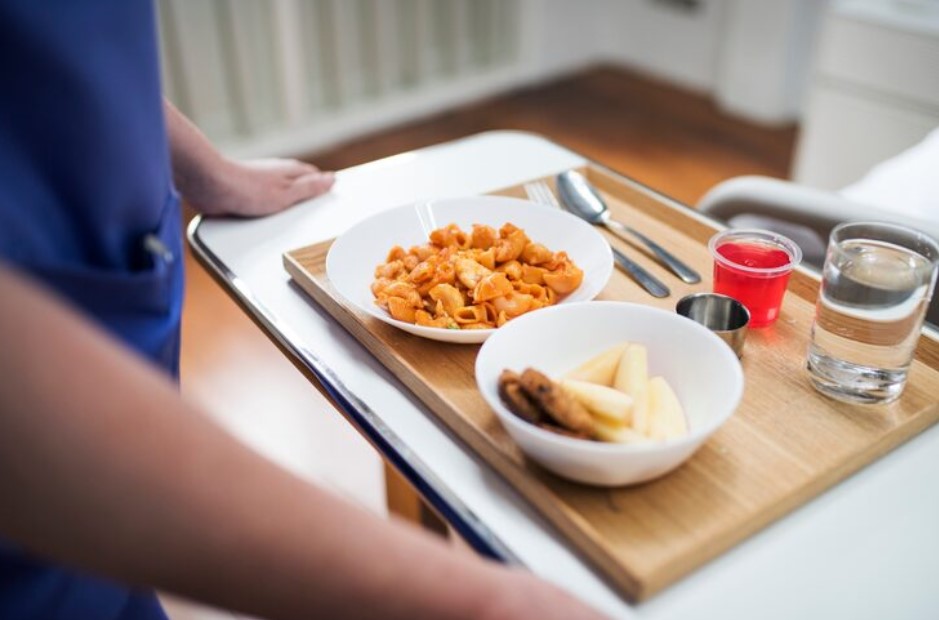
Good nutrition plays a vital role in healing, recovery, and overall well-being—especially during hospitalisation. Whether a patient is recovering from surgery, managing a chronic illness, or undergoing medical treatment, the body requires adequate nutrients to repair tissues, fight infection, and maintain strength. At the same time, the accommodation environment—both inside and outside the hospital—can significantly influence dietary habits, appetite, and overall comfort.
Understanding how nutrition and accommodation work together during a hospital stay can help patients and families better support recovery and wellbeing.
The Importance of Nutrition in Hospital Recovery
When the body is under stress due to illness or surgery, nutritional needs often increase. Protein supports tissue repair and immune function. Vitamins and minerals such as vitamin C, zinc, and iron assist with wound healing and oxygen transport. Adequate calories ensure the body has enough energy to recover rather than breaking down muscle mass for fuel.
Unfortunately, many hospital patients struggle with appetite loss, nausea, medication side effects, or fatigue that makes eating difficult. In some cases, dietary restrictions for medical reasons may limit food choices, making it challenging to maintain variety and enjoyment in meals.
A well-planned hospital diet should aim to:
- Provide balanced macronutrients (protein, carbohydrates, healthy fats)
- Include sufficient vitamins and minerals
- Accommodate medical restrictions (low sodium, diabetic-friendly, renal diets, etc.)
- Be easy to chew and digest when required
- Appeal to the patient’s cultural and personal food preferences
Hospitals often employ dietitians to tailor meal plans according to individual needs. However, patients and families can also play a proactive role in ensuring nutritional adequacy.
Challenges Patients Face with Hospital Meals
Hospital food has historically been criticised for being bland or unappealing. While standards have improved significantly, some patients still find it difficult to consume enough calories or protein during their stay.
Common challenges include:
- Reduced appetite due to illness or medication
- Limited menu choices
- Strict meal schedules
- Cultural or dietary preferences are not fully accommodated
- Emotional stress impacts hunger
Additionally, family members staying nearby may find it difficult to maintain their own healthy eating habits while focusing on caregiving responsibilities.
Recognising these challenges early can help families plan ahead and find practical solutions.
The Role of Comfortable Accommodation in Supporting Nutrition
The environment in which a patient rests and recovers influences appetite, mood, and energy levels. A calm, comfortable setting can reduce stress hormones and support better digestion and overall well-being.
For patients who require extended treatment away from home, choosing suitable hospital stays accommodation can make a meaningful difference. Staying in self-contained accommodation with kitchen facilities allows families to prepare familiar, nutritious meals tailored to dietary requirements. This can be particularly helpful for patients with specific nutritional needs such as high-protein recovery diets, gluten-free meals, or diabetic meal planning.
Having access to a kitchen also supports caregivers in maintaining their own health, ensuring they remain strong and focused while providing support.
Practical Tips for Maintaining Healthy Nutrition During Hospitalisation
1. Communicate with the Healthcare Team
Patients should inform doctors and dietitians about food preferences, allergies, and intolerances. If appetite is low, request smaller, more frequent meals rather than three large ones.
2. Focus on Protein Intake
Protein is crucial for healing. Good options include eggs, lean meats, fish, dairy products, legumes, and protein-rich snacks. If chewing is difficult, consider smoothies or soft-textured options.
3. Stay Hydrated
Dehydration can slow recovery and cause fatigue. Sip water regularly throughout the day, unless fluid intake is restricted for medical reasons.
4. Bring Nutritious Snacks
If permitted by hospital policy, family members can bring healthy snacks such as yogurt, nuts (if allowed), fresh fruit, or fortified drinks to supplement hospital meals.
5. Consider Cultural and Comfort Foods
Familiar meals can improve appetite and emotional comfort. For long hospital stays, access to cooking facilities enables the preparation of culturally appropriate dishes that align with medical guidelines.
Supporting Special Dietary Requirements
Some patients require highly specialised diets. For example:
- Post-surgery patients may need high-protein, high-calorie meals.
- Cardiac patients may require low-sodium options.
- Diabetic patients need balanced carbohydrate intake.
- Renal patients may have potassium or phosphorus restrictions.
In these cases, careful coordination between healthcare professionals and caregivers is essential. When staying outside the hospital, meal planning and grocery shopping should reflect these medical recommendations.
Creating a simple weekly meal plan can reduce stress and ensure consistency in meeting dietary goals.
The Emotional Connection Between Food and Healing
Food is not only fuel—it is also comfort. Hospitalisation can be physically and emotionally draining. A warm, nourishing meal in a comfortable environment can provide reassurance and a sense of normalcy during an otherwise uncertain time.
Studies show that stress can negatively affect digestion and appetite. Creating a peaceful dining experience—whether in a hospital room or nearby accommodation—can improve food intake and support recovery.
Small details such as eating meals at a table rather than in bed (if physically able), enjoying natural light, or sharing meals with loved ones can enhance both nutrition and morale.
Planning Ahead for Extended Hospital Stays
If hospitalisation is planned, such as for elective surgery, preparing in advance can reduce stress. This might include:
- Consulting with a dietitian beforehand
- Identifying nearby grocery stores or meal delivery services
- Choosing accommodation with kitchen facilities
- Packing high-protein snacks
- Preparing easy-to-freeze meals in advance
For unexpected hospital admissions, flexibility and resourcefulness become key. Even simple, nutrient-dense meals can significantly impact recovery outcomes.
Conclusion
Nutrition and accommodation are closely intertwined during hospitalisation. While medical treatment addresses the primary health concern, proper nourishment provides the foundation for healing. Balanced meals, adequate hydration, and thoughtful planning can accelerate recovery and improve overall well-being.
Equally important is the comfort of the surrounding environment. Access to suitable accommodation, particularly for extended stays, allows patients and families to maintain healthy eating routines and reduce stress.
By prioritising both nutrition and living arrangements during hospital stays, patients can support their bodies more effectively—turning nourishment into a powerful partner in recovery.