02
Jun 2026
Improve Your Health to Prevent Falls
Published in General on June 02, 2026
Falls are one of the leading causes of injury among older Australians, yet many falls can be prevented with the right lifestyle choices. While ageing naturally brings changes to balance, strength, vision, and mobility, these changes do not automatically mean a fall is inevitable. By focusing on overall health, regular physical activity, and proactive medical care, older adults can significantly reduce their risk of falls and continue enjoying an active, independent lifestyle.
Health experts continue to emphasise that fall prevention is not about limiting activity but about improving physical fitness, confidence, and awareness. Making small but consistent improvements to everyday habits can protect both physical health and quality of life.
Stay Physically Active
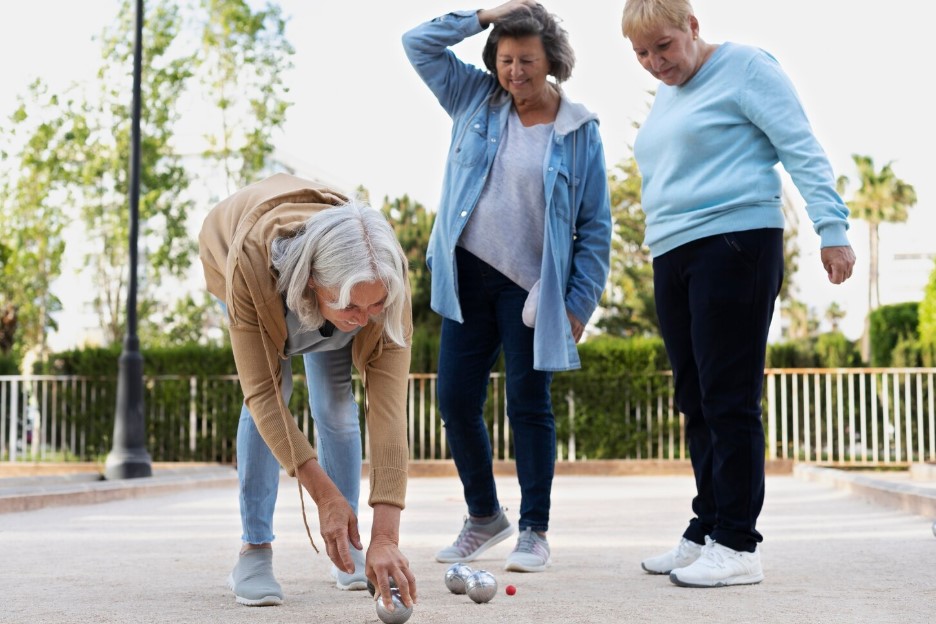
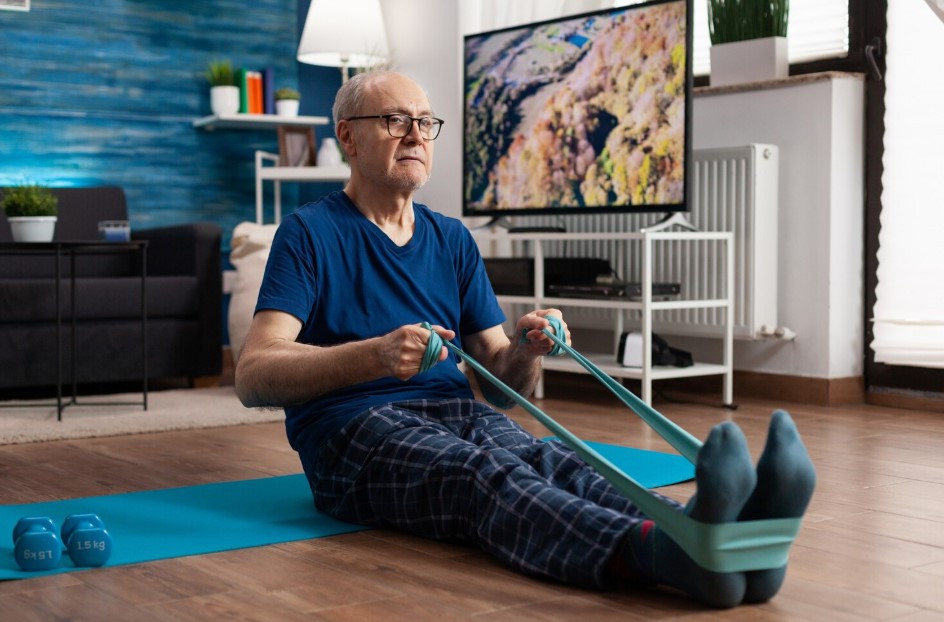
One of the most effective ways to prevent falls is to remain physically active. Regular exercise helps strengthen muscles, improve balance, maintain flexibility, and increase coordination. Activities such as walking, swimming, tai chi, gentle yoga, and supervised strength training all contribute to better stability.
Strengthening the legs and core muscles is particularly important because these muscle groups play a major role in maintaining balance during everyday activities such as climbing stairs, standing from a chair, or walking on uneven ground.
If you are beginning a new exercise routine, consult your healthcare provider or physiotherapist to ensure the program is appropriate for your current fitness level and any existing medical conditions. Research consistently shows that structured balance and strength exercises can substantially reduce the risk of falls in older adults.
Eat Well to Support Strong Bones and Muscles
Good nutrition is another essential component of fall prevention. A balanced diet rich in protein, calcium, vitamin D, fruits, vegetables, and whole grains helps maintain muscle strength and bone density.
Protein supports muscle repair and maintenance, while calcium and vitamin D contribute to stronger bones, reducing the risk of fractures should a fall occur. Staying well hydrated is equally important, as dehydration may contribute to dizziness, fatigue, and poor concentration.
Eating regular, nutritious meals also helps maintain stable energy levels throughout the day, making it easier to stay physically active and mentally alert.
Have Regular Health Check-Ups
Many health conditions can increase the likelihood of falling, including vision problems, hearing loss, diabetes, arthritis, heart disease, and neurological disorders. Routine medical check-ups allow these conditions to be monitored and managed before they begin affecting balance or mobility.
It's also important to review medications with your doctor or pharmacist. Some prescription medications or combinations of medications may cause dizziness, drowsiness, or low blood pressure, increasing the risk of falls.
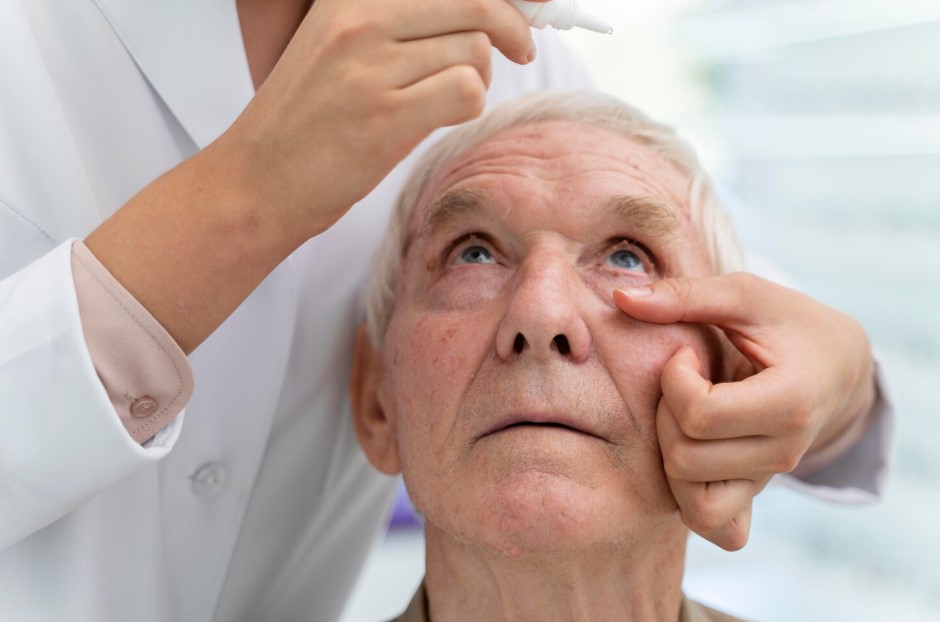
Annual eye examinations and hearing tests are equally valuable, as clear vision and good hearing help maintain awareness of surroundings and improve balance.
Make Your Home Safer
Many falls occur inside the home, where everyday hazards can easily be overlooked. Simple modifications can significantly reduce risks without requiring major renovations.
Remove loose rugs, secure electrical cords, improve lighting in hallways and staircases, install grab rails in bathrooms, and ensure frequently used items are easy to reach. Non-slip mats in showers and supportive footwear indoors can also improve safety.
Taking time to identify potential hazards creates a safer living environment and encourages continued independence.
Maintain Confidence After a Fall
Experiencing a fall can lead to fear of falling again. Unfortunately, this fear often leads people to reduce their physical activity, resulting in weaker muscles and poorer balance, which in turn increases future fall risk.
Instead of avoiding activity altogether, gradually rebuild confidence through supervised exercise programs, physiotherapy, or community fitness classes specifically designed for older adults. Regaining strength and mobility can restore confidence while reducing anxiety about future falls.
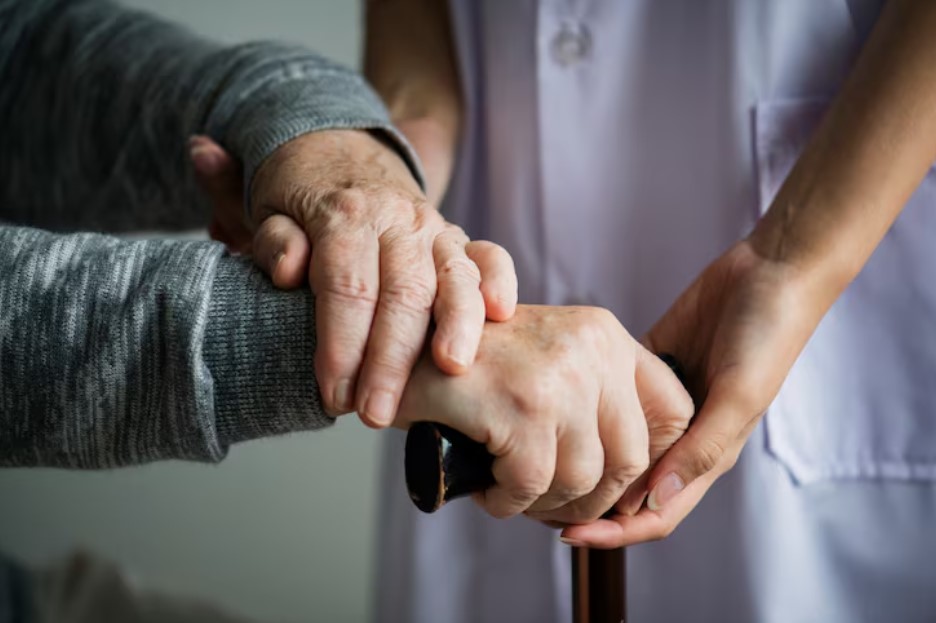
Family members and caregivers also play an important role by offering encouragement without becoming overly protective.
Prioritise Rest and Mental Wellbeing
Physical health and mental wellbeing are closely connected. Poor sleep, chronic stress, anxiety, and depression can all affect concentration, reaction time, and physical coordination.
Aim for regular sleep patterns and find healthy ways to manage stress through relaxation techniques, hobbies, social activities, or spending time outdoors. Maintaining meaningful social connections also supports emotional wellbeing and reduces feelings of isolation, which are common among older adults recovering from illness or injury.
A healthy mind contributes to better decision-making and greater awareness of potential hazards.
Planning Accommodation During Medical Treatment
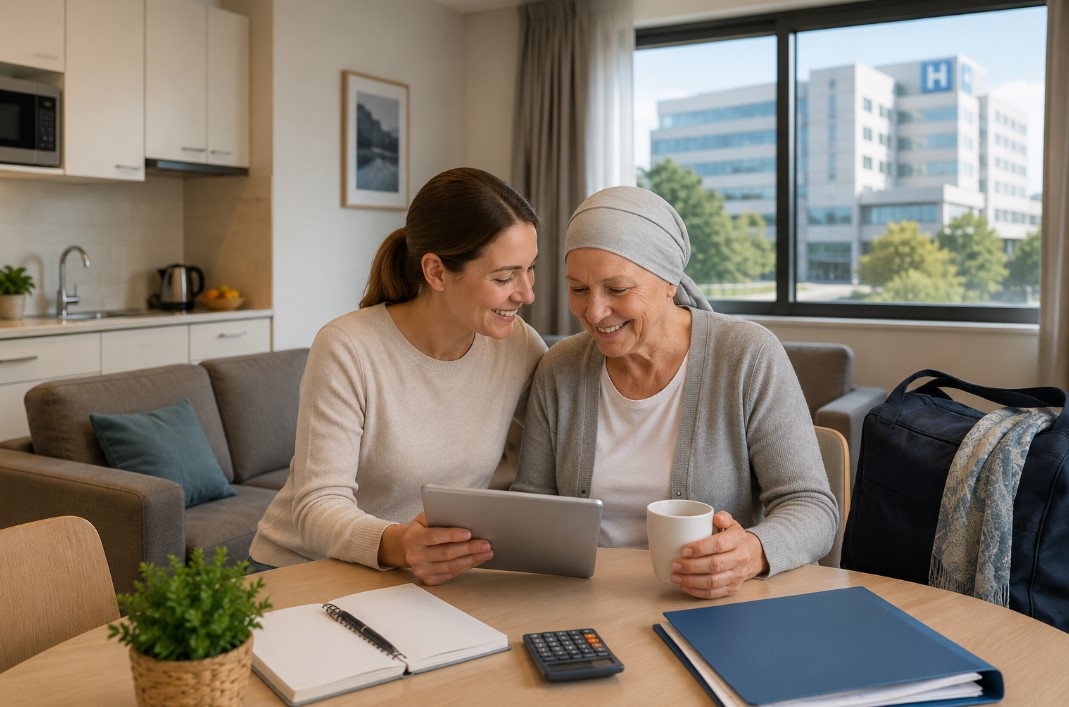
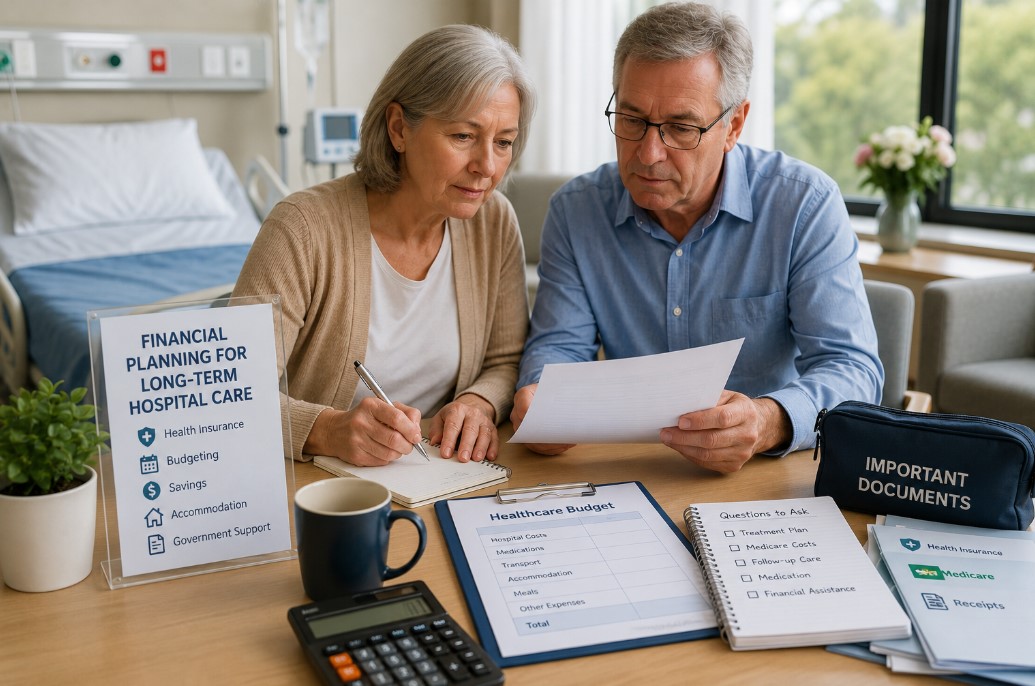
Some older adults may need to travel for surgery, rehabilitation, or specialist medical appointments away from home. During these times, choosing comfortable nearby hospital accommodation can reduce travel fatigue and make recovery more manageable for both patients and their caregivers. Staying close to the treating hospital allows easier access to follow-up appointments while providing a comfortable environment with home-style amenities that support rest and recovery.
Accommodation that includes kitchen facilities, laundry services, and spacious living areas can make an extended medical stay far less stressful than relying solely on traditional hotel rooms.
Community Programs Can Make a Difference
Across Australia, a growing number of community initiatives are helping older adults reduce their risk of falls through education, exercise, and healthy lifestyle programs. One recent example is the Stay On Your Feet® Improve Your Health campaign, launched by Injury Matters across Western Australia. The campaign encourages older people to improve their overall health by staying physically active, eating nutritious meals, attending regular health check-ups, and making positive lifestyle choices that support balance, strength, and mobility. It also highlights the importance of recognising personal fall risks early and taking practical steps to remain independent. By combining education with simple, achievable health goals, initiatives like this empower older Australians to stay active and reduce the risk of serious fall-related injuries.
A Healthier Future Starts Today
Preventing falls is about much more than avoiding injury—it is about preserving independence, confidence, and quality of life. By staying physically active, maintaining good nutrition, attending regular health check-ups, creating a safe home environment, and seeking professional advice when needed, older Australians can greatly reduce their risk of falls.
Healthy ageing is built on consistent daily habits rather than dramatic changes. Every walk taken, every nutritious meal enjoyed, every balance exercise completed, and every medical review attended contributes to a stronger, safer future. With the right approach, older adults can continue living active, fulfilling lives while maintaining the confidence to enjoy the activities they love.