18
Feb 2026
Making Hospital Stays More Comfortable for Patients and Families
Published in General on February 18, 2026
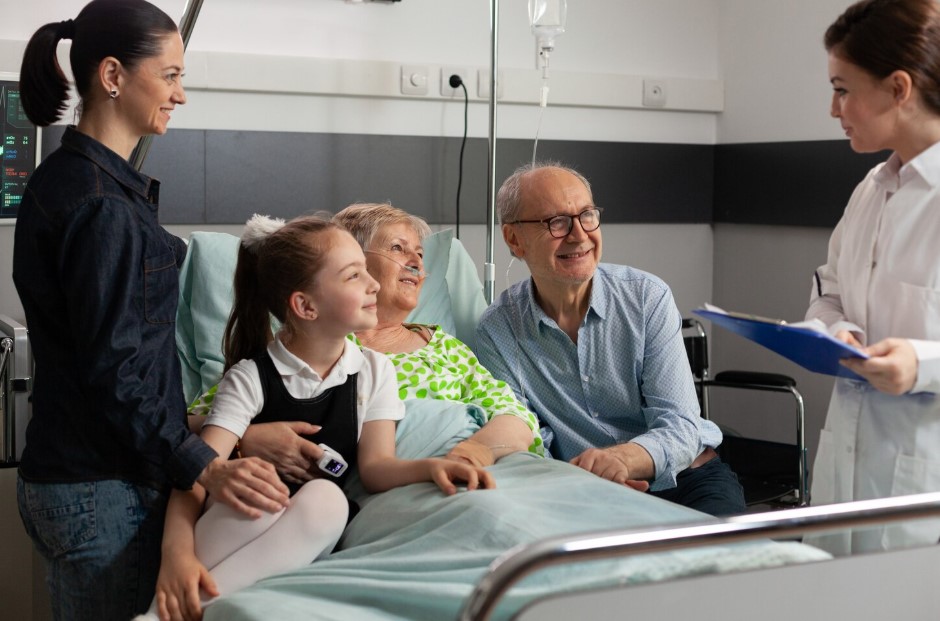
A hospital stay—whether planned or unexpected—can be one of the most stressful experiences for patients and their families. Beyond the medical procedures and clinical environment, there are emotional, logistical, and practical challenges that can quickly feel overwhelming. While healthcare teams focus on treatment and recovery, comfort, stability, and support play an equally important role in the healing process.
Creating a more comfortable hospital experience involves thoughtful planning, supportive accommodation, emotional care, and small but meaningful practical adjustments.
The Emotional Impact of Hospitalisation
Hospital environments are designed for efficiency and safety, but they can feel unfamiliar and intimidating. For patients, being away from home may bring anxiety, disrupted routines, and uncertainty about recovery. For families, the stress of balancing work, caregiving responsibilities, and daily life adds further pressure.
Reducing emotional strain begins with creating a sense of normalcy. Familiar items from home—such as personal blankets, photos, or favourite books—can help patients feel grounded. Maintaining communication with family and friends also eases isolation and supports mental wellbeing.
When families are supported emotionally, they are better equipped to assist patients throughout treatment and recovery.
The Importance of Practical Preparation
Planning ahead can significantly improve comfort during a hospital stay. Preparing a hospital bag with essentials like comfortable clothing, toiletries, chargers, medications, and important documents helps avoid last-minute stress.
For longer stays, practical considerations become even more important:
- Access to laundry facilities
- Storage space for personal belongings
- Reliable internet access
- Comfortable sleep arrangements for visitors
- Easy transport to and from the hospital
Having these needs addressed allows patients and families to focus on recovery rather than logistics.
Comfortable Accommodation for Families
One of the biggest challenges during extended hospital treatment is accommodation for family members. Not all hospitals provide overnight facilities, and even when they do, space can be limited or basic.
Families supporting a loved one during surgery, treatment, or recovery often benefit from nearby short- or medium-term accommodation that offers:
- A private, quiet environment to rest
- Kitchen facilities to prepare meals
- Laundry amenities
- Flexible stay options
- Proximity to medical facilities
Comfortable accommodation near hospitals allows family members to recharge, maintain routines, and remain close without sacrificing rest or privacy. This is particularly important during long-term treatments such as cancer care, rehabilitation, or specialist procedures.
Nutrition and Daily Routine
Maintaining proper nutrition is essential for healing, yet hospital meals may not always meet personal preferences or dietary needs. Access to kitchen facilities in nearby accommodation allows families to prepare familiar, nourishing meals that support recovery.
Preserving daily routines—even in small ways—can also make a significant difference. Morning coffee rituals, evening walks, or regular phone calls help maintain a sense of normal life. These simple habits contribute to emotional stability during uncertain times.
Supporting Work and Responsibilities
Many families must balance hospital visits with work commitments and household responsibilities. Flexible accommodation options with reliable internet and workspace areas allow carers to continue working remotely when needed.
For patients themselves, especially during rehabilitation or longer admissions, staying mentally engaged with light work, reading, or hobbies can provide a sense of purpose and normality.
Reducing disruption to everyday life supports both emotional wellbeing and financial stability during medical treatment.
The Role of Environment in Recovery
Research consistently shows that calm, comfortable environments positively influence healing. While hospital rooms are clinical by necessity, time spent outside the ward—whether in a nearby apartment or family accommodation—can offer a restorative contrast.
Natural light, comfortable furniture, quiet surroundings, and the ability to move freely all contribute to stress reduction. For patients discharged but still requiring outpatient treatment, staying in a home-like setting can ease the transition from hospital to recovery.
Flexibility During Uncertain Timelines
Medical treatment does not always follow a predictable schedule. Surgery dates may change, recovery periods can extend, and follow-up appointments may require longer stays than initially expected.
Flexible accommodation options that allow extensions without major disruption reduce the stress of changing timelines. Families can adapt their arrangements as medical needs evolve, rather than worrying about rigid bookings or relocations.
Communication and Support Networks
Clear communication between medical teams, patients, and families enhances confidence and comfort. Asking questions, understanding treatment plans, and knowing what to expect reduces uncertainty.
Additionally, connecting with hospital support services, social workers, or patient advocacy groups can provide guidance on accommodation, financial assistance, and community resources.
Families who feel informed and supported are better able to navigate the hospital journey together.
Creating a More Human Experience
At its core, making hospital stays more comfortable is about recognising the human side of healthcare. Medical treatment addresses physical conditions, but emotional reassurance, practical support, and a stable living environment contribute significantly to overall wellbeing.
By planning ahead, prioritising rest, securing comfortable nearby accommodation, and maintaining daily routines where possible, patients and families can transform a stressful hospital experience into one that feels more manageable and supported.
Hospital stays may be unavoidable—but discomfort, chaos, and exhaustion do not have to be. Thoughtful preparation and the right environment can make all the difference in helping patients heal and families stay strong throughout the journey.