14
Jul 2026
Why Apartment Accommodation Is Ideal for Recovery Periods
Published in General on July 14, 2026

Recovering after surgery, medical treatment, or an extended hospital stay requires more than quality healthcare. The environment where patients spend their recovery period can significantly influence comfort, wellbeing, and overall healing. While some patients are able to return directly home, others travel away from their local area for specialist treatment or need temporary accommodation before they are well enough to travel. In these situations, apartment accommodation provides a practical and comfortable alternative to traditional hotel rooms.
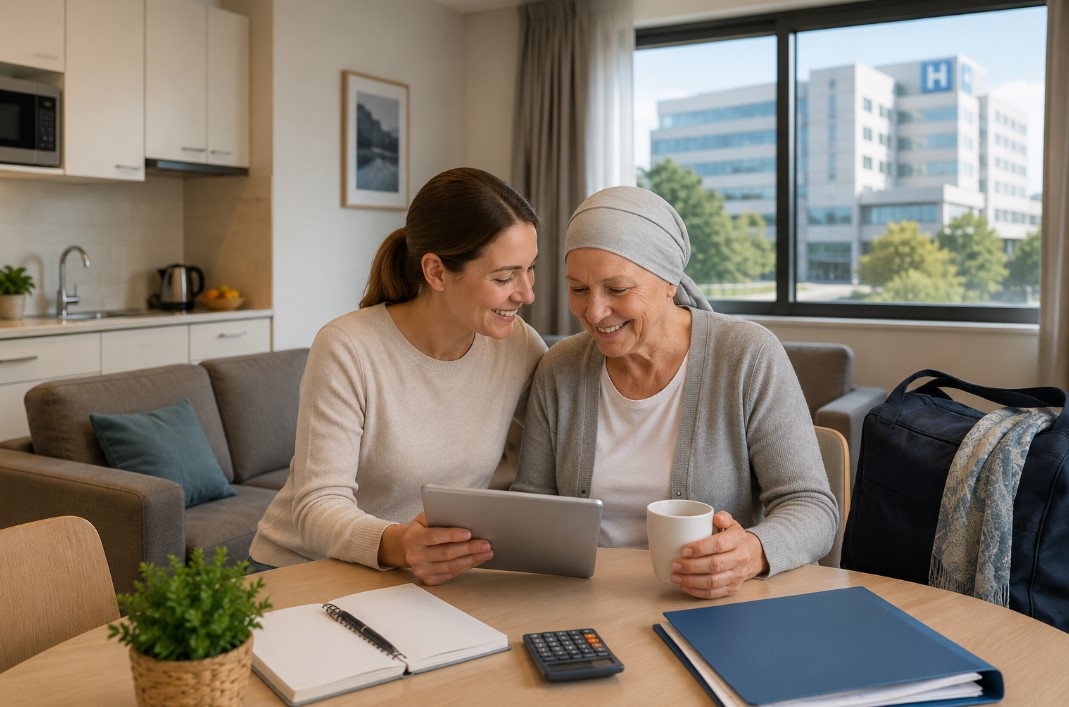
With spacious layouts, home-style amenities, and flexible stay options, serviced apartments are becoming an increasingly popular choice for patients and their families during recovery periods. They offer an environment that supports both physical healing and emotional wellbeing while allowing patients to recover at their own pace.
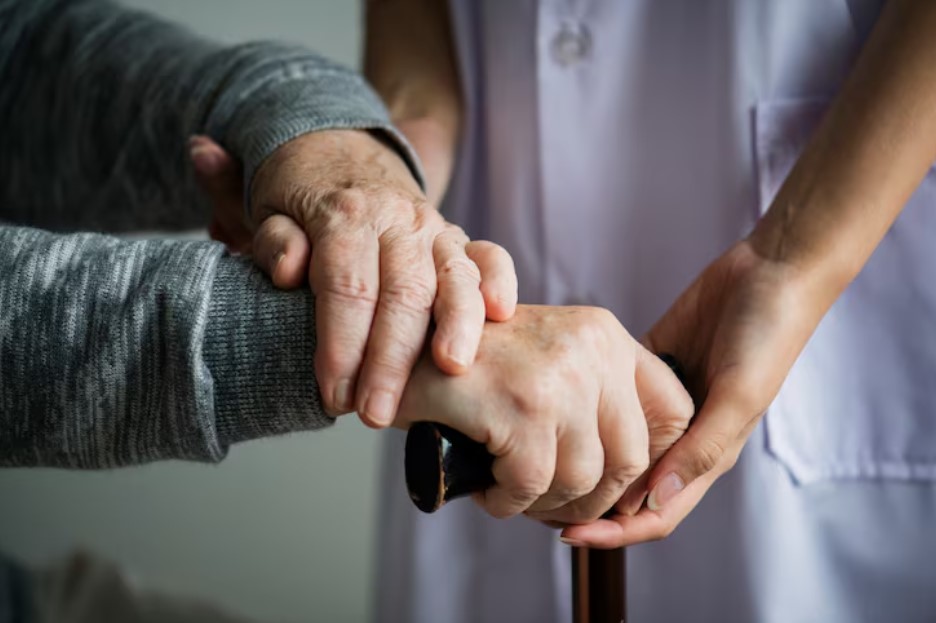
One of the greatest advantages of apartment accommodation is the additional living space. Unlike a standard hotel room, serviced apartments typically include separate bedrooms, living areas, dining spaces, and fully equipped kitchens. This extra room allows patients to move around comfortably throughout the day rather than remaining confined to a single room. Gentle movement is often encouraged during recovery, and having enough space to walk safely indoors can contribute to improved circulation and mobility.
Privacy also plays an important role in the healing process. Recovery often requires regular rest, quiet surroundings, and personal routines that may not always be possible in busy accommodation settings. Apartment accommodation offers a peaceful environment where patients can relax without frequent interruptions. Family members can visit comfortably, providing emotional support while respecting the patient's need for rest.
Nutrition is another essential component of recovery. Following surgery or medical treatment like in St Vincent’s Hospital, many patients are advised to follow specific dietary recommendations or simply prefer freshly prepared meals. Having access to a fully equipped kitchen allows patients or their caregivers to prepare nutritious food whenever needed rather than relying solely on restaurant meals or takeaway. This flexibility supports healthier eating habits while accommodating dietary restrictions and personal preferences.
Laundry facilities are another feature that becomes especially valuable during longer recovery periods. Patients recovering from surgery may require frequent clothing changes, fresh bedding, or additional laundry due to medical needs. In-apartment washing machines and dryers eliminate the inconvenience and expense of external laundry services, making daily life more comfortable for both patients and caregivers.
Comfortable accommodation also benefits family members who often travel to provide care and support. Having a shared living area allows loved ones to remain nearby without feeling confined to a single hotel room. This creates a more relaxed atmosphere where patients receive emotional support while family members also have space to rest, work remotely, or prepare meals during extended stays.
Flexibility in booking is another important advantage. Medical recovery timelines are not always predictable, and discharge dates can sometimes change at short notice. Many serviced apartment providers offer flexible accommodation options that can be extended if additional recovery time is required. This flexibility provides reassurance for patients who may not know exactly how long they will need to remain close to the hospital.
Location is equally important when choosing accommodation during recovery. Apartments situated near major hospitals allow patients to attend follow-up appointments, physiotherapy sessions, specialist consultations, and medical reviews without lengthy travel. Shorter journeys reduce physical strain and make it easier for carers to provide transportation when necessary.
The quiet, residential atmosphere offered by many apartment buildings also contributes to emotional wellbeing. Healing involves both physical and mental recovery, and having access to natural light, outdoor balconies, nearby parks, or comfortable communal areas can help reduce stress and improve mood. A calmer environment often supports better sleep, which remains one of the body's most important recovery tools.
Many patients also appreciate being able to maintain familiar daily routines while recovering. Preparing breakfast, enjoying a cup of tea in a comfortable lounge, watching television from a sofa instead of a hospital bed, or reading in a quiet space helps create a sense of normality during what can otherwise be a challenging period. These small comforts often make a meaningful difference to overall wellbeing.
For those travelling interstate or from regional communities to access specialist healthcare, apartment accommodation provides a practical solution that bridges the gap between hospital care and returning home. It allows patients to remain close to their treating specialists while regaining strength before undertaking longer journeys.
Caregivers also benefit from this type of accommodation. Looking after a recovering family member can be physically and emotionally demanding. Having access to a kitchen, laundry, separate sleeping areas, and comfortable living spaces allows carers to better manage their own wellbeing while continuing to provide quality support. When caregivers are rested and comfortable, they are better equipped to assist patients throughout the recovery process.
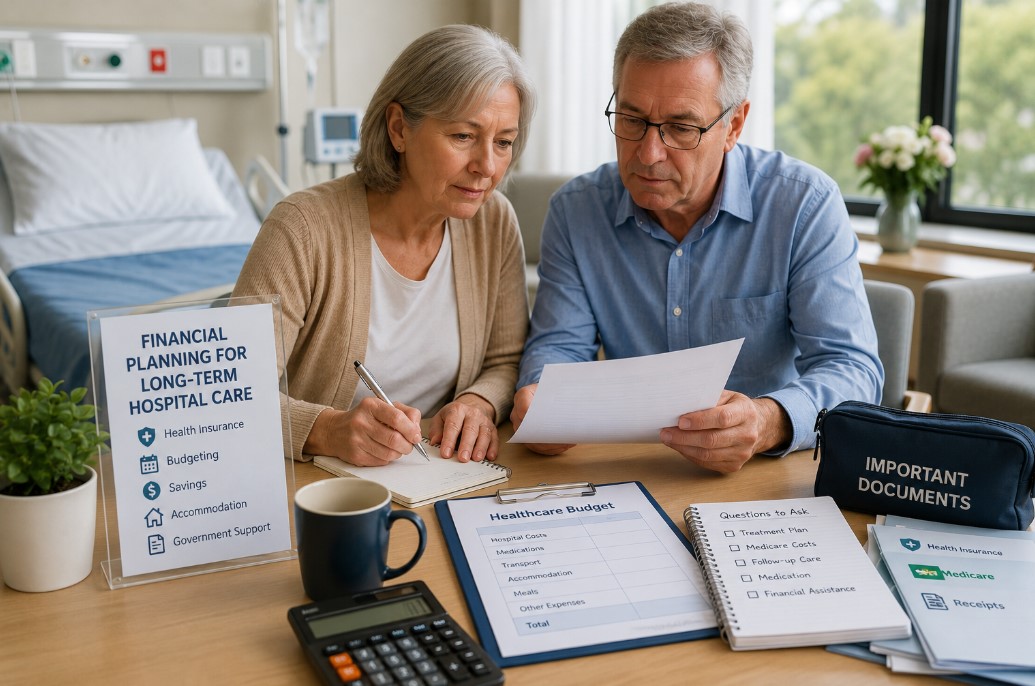
When planning treatment away from home, consulting a reliable hospital accommodation guide can make the process significantly easier. A comprehensive guide helps patients compare accommodation located near major hospitals, understand available amenities, evaluate accessibility features, and choose accommodation that best supports their recovery needs. Whether travelling for surgery, cancer treatment, rehabilitation, or specialist consultations, having access to trusted accommodation information reduces unnecessary stress and allows patients to focus on healing.
Ultimately, recovery extends beyond the hospital walls. The right accommodation can provide comfort, independence, privacy, and practical support during one of life's most important healing periods. By choosing apartment accommodation designed for longer stays, patients and their families can enjoy a more comfortable environment that promotes both physical recovery and peace of mind. As healthcare continues to become more specialised and patients increasingly travel for treatment, serviced apartments remain an ideal option for creating a home-like setting where recovery can happen naturally and comfortably.