06
Oct 2026
New Study Reveals Frailty Could Be an Early Warning Sign of Dementia
Published in News on October 06, 2026

Dementia is one of the most significant health challenges affecting older Australians. As the population ages, researchers continue to investigate ways to identify the condition earlier, improve treatment outcomes, and help older adults maintain their independence for longer.
A recent study led by the University of Queensland suggests that physical frailty could play an important role in identifying individuals at greater risk of developing dementia. The findings highlight how physical health and cognitive wellbeing may be more closely connected than previously understood.
For older adults and their families, understanding this relationship could encourage earlier medical assessments, healthier lifestyle choices, and better preparation for future healthcare needs.
Understanding the Connection Between Frailty and Dementia
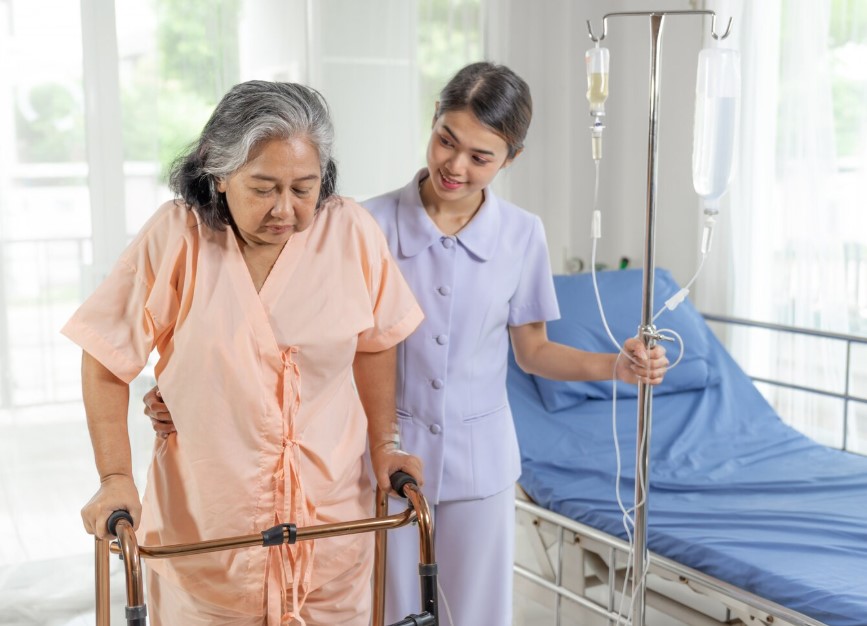
Frailty is a medical condition characterised by reduced physical strength, endurance, and the body's ability to cope with illness or everyday stress.
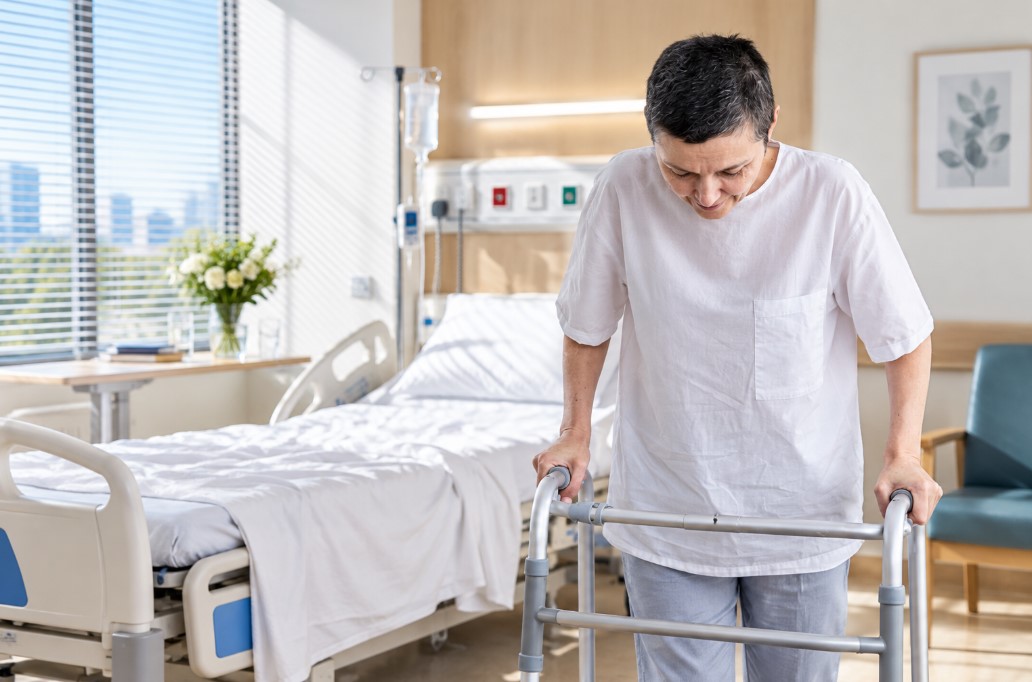
Common signs may include muscle weakness, slower walking speed, unintentional weight loss, exhaustion, and reduced physical activity.
Although frailty becomes more common with age, it is not an inevitable part of growing older.
Researchers have traditionally associated frailty with declining health and neurodegenerative conditions. However, the latest findings suggest that frailty may also influence when dementia becomes clinically apparent.
This discovery could provide healthcare professionals with another useful indicator when assessing cognitive health in older patients.
What the University of Queensland Study Discovered
The research, led by Dr David Ward from the University of Queensland's Frazer Institute, examined long-term health information from more than 1,600 participants in the Memory and Aging Project in the United States.
The study followed data collected over 24 years to investigate how frailty relates to dementia development.
Researchers found that older adults experiencing frailty were diagnosed with dementia approximately two to three years earlier than individuals with lower levels of frailty.
Interestingly, participants with frailty but fewer typical dementia-related brain abnormalities developed dementia around five to six years earlier than expected.
These findings suggest that physical frailty may be an important factor in understanding dementia risk, even when traditional indicators of brain changes are less pronounced.
However, the results demonstrate an association rather than proving that frailty directly causes dementia.
Why Early Detection Matters
Recognising potential warning signs of dementia can help individuals and families seek medical advice before symptoms significantly affect everyday activities.
Early assessment may allow healthcare professionals to investigate memory concerns, identify treatable conditions, and recommend appropriate support.
It also provides families with more time to discuss future care arrangements, financial planning, and lifestyle adjustments.
Frailty assessments could become a valuable addition to broader health evaluations, although they cannot independently diagnose dementia.
Anyone experiencing persistent memory changes, confusion, or difficulties managing familiar tasks should consult a qualified healthcare professional.
Can Managing Frailty Support Brain Health?
One encouraging aspect of the research is that frailty can sometimes be prevented, reduced, or improved through appropriate interventions.
Regular physical activity, particularly strength and balance exercises, can help older adults maintain muscle function and mobility.
A nutritious diet containing adequate protein and essential nutrients also supports physical wellbeing.
Social engagement, meaningful activities, and regular medical check-ups may contribute to healthier ageing.
However, exercise and dietary changes should be tailored to individual health conditions and physical abilities.
While improving frailty may offer potential benefits for cognitive health, further research is needed to determine whether treating frailty can directly delay dementia.
The Importance of Medical Support for Older Patients
Older adults experiencing frailty may require additional healthcare services, including specialist consultations, rehabilitation, mobility assessments, and ongoing medical monitoring.
Families travelling to major hospitals for these services often face practical challenges, particularly when appointments require several days away from home.
Access to convenient transportation, suitable accommodation, and family support can make medical visits more manageable.
Healthcare professionals may also recommend occupational therapy, physiotherapy, or other services to help patients maintain independence and reduce the risk of falls.
Choosing Hospital Stay Accommodation for Patients
For older adults travelling for cognitive assessments, specialist consultations, or rehabilitation, finding suitable hospital stay accommodation for patients can provide additional comfort and convenience.
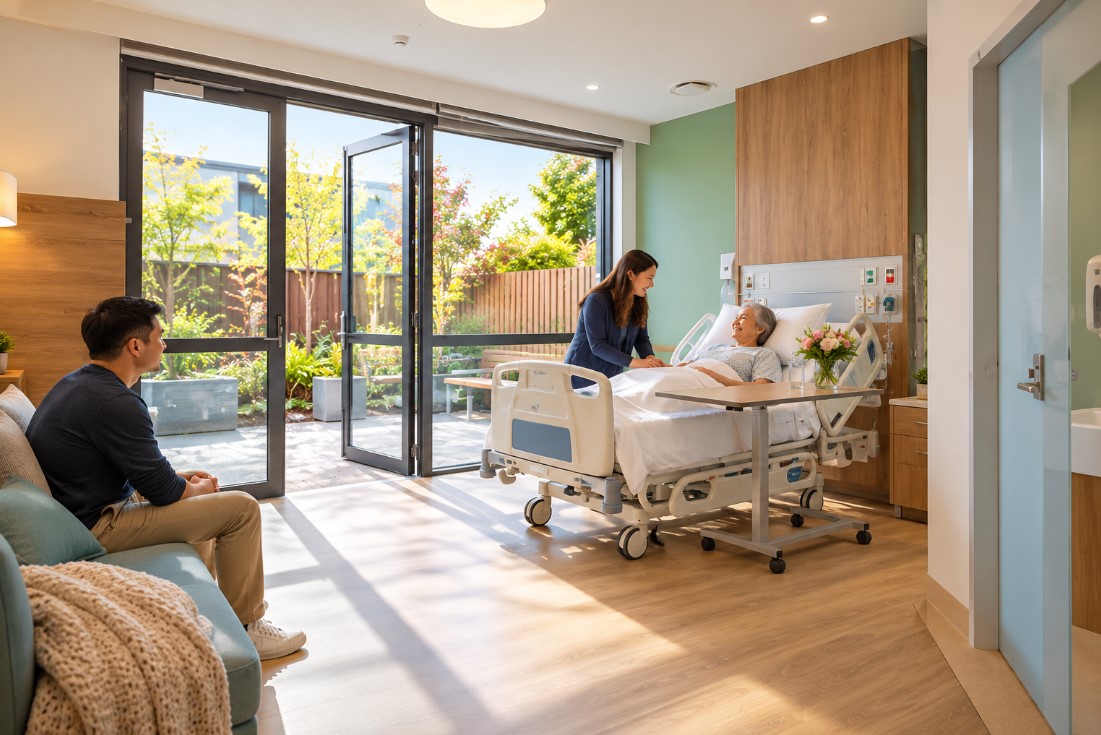
Serviced apartments and furnished accommodation near major hospitals may offer practical facilities such as accessible bathrooms, comfortable bedrooms, kitchens, and separate living areas for caregivers.
These features can be especially beneficial for patients who require assistance with everyday activities or need to attend multiple appointments.
When choosing accommodation, families should consider accessibility, proximity to medical facilities, lift availability, and a quiet environment.
For patients experiencing memory difficulties, familiar routines and caregiver support can also help reduce confusion during temporary stays.
Accommodation should always be selected according to the patient's individual needs, particularly when supervision or specialised care is required.
Supporting Families and Caregivers
Caring for an older adult experiencing frailty or cognitive decline can involve considerable emotional and practical responsibilities.
Family members may need to coordinate medical appointments, assist with medication management, arrange transportation, and provide daily support.
Maintaining open communication with healthcare professionals can help caregivers understand changing care requirements.
It is equally important for caregivers to look after their own wellbeing by taking breaks, seeking assistance, and accessing community support services when needed.
Planning ahead can reduce unnecessary stress and help families respond more confidently to future healthcare challenges.
A Promising Step Towards Healthier Ageing
The University of Queensland study provides valuable insights into the relationship between physical frailty and dementia.
Although more research is required, the findings reinforce the importance of maintaining physical strength, monitoring health changes, and seeking timely medical advice.
For older Australians, regular health assessments and appropriate lifestyle support may help preserve independence and improve overall quality of life.
By combining early health awareness, compassionate medical care, and a supportive environment, families can help older adults navigate their healthcare journeys with greater comfort, confidence, and dignity.