04
Sep 2026
Shorter Hospital Stays: Are Patients Recovering Faster?
Published in General on September 04, 2026
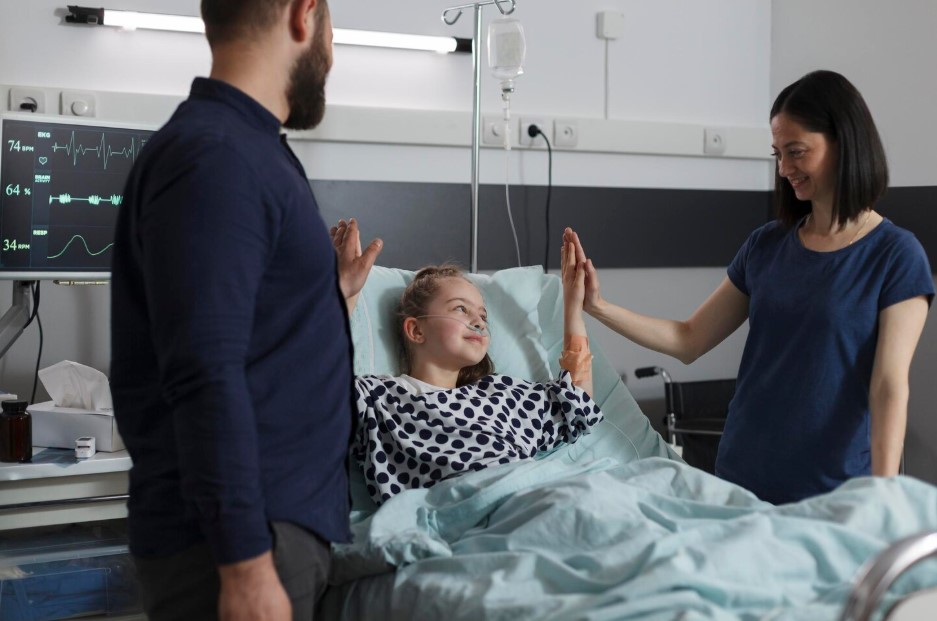
Hospital stays for many procedures are becoming shorter than they once were. Advances in surgical techniques, rehabilitation, pain management and models of care mean some patients can safely leave hospital sooner and continue recovering elsewhere. However, a shorter hospital stay does not necessarily mean the body is healing faster. In many cases, it means more of the recovery process is taking place outside the hospital.
Why Are Some Hospital Stays Getting Shorter?
Modern healthcare increasingly focuses on helping suitable patients regain mobility and independence as early as safely possible. Minimally invasive procedures can reduce the physical impact of some operations, while improvements in anaesthesia, pain management and postoperative monitoring can support earlier discharge.
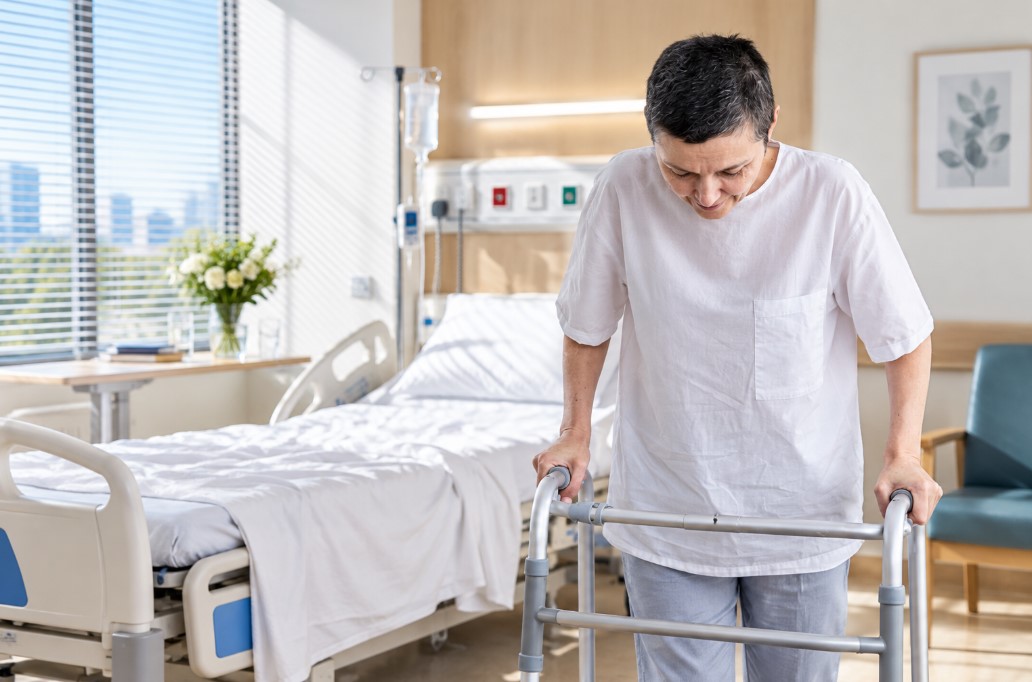
Hospitals may also begin rehabilitation soon after treatment. Depending on the procedure and the patient's condition, this could involve sitting upright, walking with assistance, completing physiotherapy exercises and gradually returning to everyday activities.
Discharge decisions should always be based on clinical assessment rather than simply the number of days a patient has spent in hospital.
Shorter Stay Does Not Mean Complete Recovery
Leaving hospital is an important milestone, but it should not be confused with being fully recovered. A patient may still experience fatigue, reduced mobility, discomfort or limitations on everyday activities for days or weeks after discharge.
Patients treated at St John of God Hospital may receive discharge information specific to their procedure and individual health needs. Following these instructions is important, particularly regarding medications, wound care, physical activity, follow-up appointments and symptoms that require medical attention.
Recovery timelines can vary considerably even among people who have undergone similar procedures.
The Growing Importance of Recovery at Home
When patients leave hospital earlier, their home environment can play a greater role in the next stage of recovery. Before discharge, consider whether the patient can safely move around the property, use the bathroom, prepare food and manage stairs.
Some people may need temporary assistance from relatives, carers or community healthcare services. Others may require ongoing physiotherapy or rehabilitation.
Preparing the home before admission can help. Frequently used items can be placed within easy reach, unnecessary obstacles removed and meals organised in advance.
What Families Should Ask Before Discharge
Patients and carers should understand the recovery plan before leaving hospital. Useful questions include when normal activities can resume, how medications should be taken, whether exercises are required and when follow-up appointments will occur.
It is also important to know who to contact if there is a concern after discharge.
Written instructions can be particularly valuable because patients may receive a large amount of information within a relatively short period. A family member or carer can also attend discharge discussions where appropriate.
Planning Around St John of God Hospital
For patients travelling from regional or interstate locations for treatment at St John of God Hospital, discharge may not always mean immediately travelling home. St John of God Health Care operates hospitals and healthcare services in multiple locations, so patients should base their plans on the specific hospital where they will receive treatment.
If follow-up appointments are scheduled soon after discharge, staying nearby temporarily may reduce the need for repeated long-distance journeys. Patients should discuss travel plans with their healthcare team, especially after surgery or when mobility remains limited.
Choosing Suitable Accommodation After Hospital
A hospital stays accommodation guide can be useful when patients or their families need somewhere to stay during treatment or the early stages of recovery. Location is important, but it should not be the only consideration.
For someone recovering after a procedure, accessibility may be particularly important. Consider lift access, stairs, bathroom configuration, parking and the distance between the property entrance and accommodation.
For longer stays, furnished apartments can provide a kitchen, laundry facilities, separate living spaces and Wi-Fi. These features can make it easier for accompanying relatives to maintain everyday routines while supporting the patient.
However, standard accommodation is not a replacement for medical or rehabilitation care. Patients who require nursing assistance, specialised equipment or supervised rehabilitation should follow the recommendations of their treating team.
Technology Can Support Earlier Discharge
Another factor influencing hospital stays is the growing use of follow-up care outside the traditional hospital environment. Depending on the health service and condition, patients may have access to telehealth consultations, outpatient rehabilitation or other forms of monitoring.
These services can allow healthcare professionals to continue supporting recovery without requiring the patient to remain admitted solely for routine follow-up.
Technology can improve convenience, but patients should still attend required in-person appointments and seek appropriate medical attention if concerning symptoms develop.
Recovery Is About Progress, Not Speed
It can be tempting to view a short hospital stay as evidence of a faster recovery. In reality, length of stay and total recovery time are different measures.
A patient discharged two days after a procedure may still require several weeks of healing. Another person may need a longer hospital admission because of the complexity of their procedure, existing health conditions or additional rehabilitation requirements.
Neither situation automatically indicates a better or worse recovery.
A New Approach to Hospital Recovery
Shorter hospital stays reflect broader changes in healthcare, including advances in treatment, earlier mobilisation and greater emphasis on recovery outside the hospital environment.
For patients and families, this makes preparation increasingly important. Understanding discharge instructions, organising assistance, arranging follow-up care and choosing appropriate accommodation when needed can all contribute to a smoother transition.
Ultimately, the goal should not simply be to leave hospital as quickly as possible. A successful recovery is one that progresses safely, follows professional medical guidance and gives each patient the time and support their body needs to heal.