31
Oct 2026
Staying Near a Hospital for Cancer Treatment: Practical Accommodation Considerations
Published in General on October 31, 2026
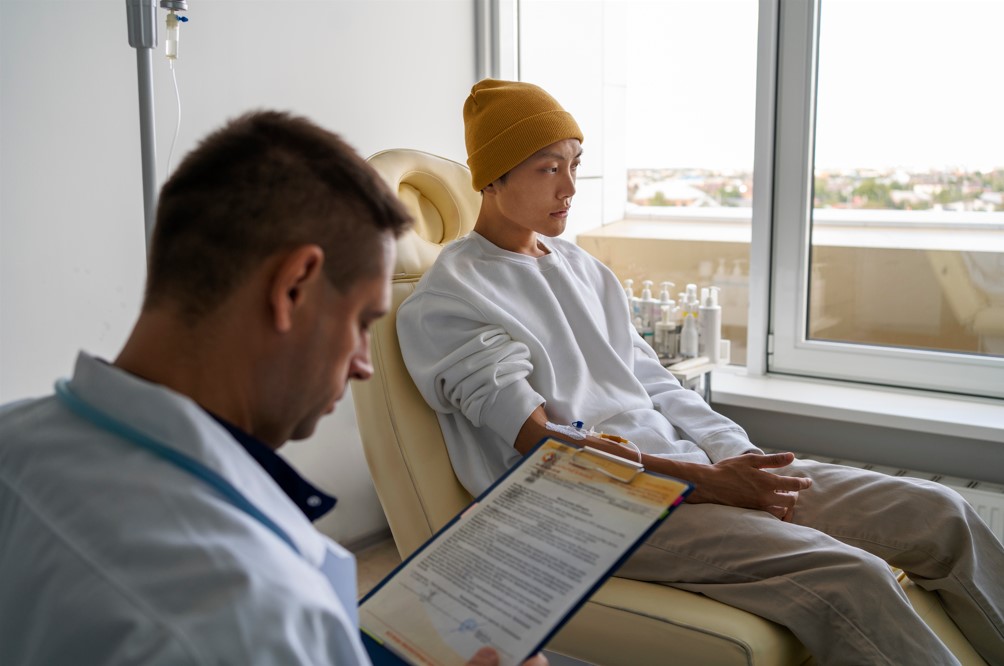
Travelling for cancer treatment can be one of the most challenging experiences for patients and their families. Beyond medical appointments and treatment schedules, finding suitable accommodation is an important part of planning a comfortable and manageable stay.
Patients travelling from regional Victoria, interstate, or overseas may need to remain near specialist hospitals for several days, weeks, or even months. During this time, having a convenient place to rest, prepare meals, and spend time with loved ones can make a meaningful difference.
Whether undergoing chemotherapy, radiation therapy, surgery, or follow-up consultations, choosing appropriate accommodation can help reduce everyday stress and allow patients to focus on their treatment and wellbeing.
1. Choose Accommodation Close to Your Cancer Treatment Centre
Location is one of the most important considerations when arranging accommodation for cancer treatment.
Frequent hospital appointments can be physically demanding, particularly for patients experiencing fatigue or other treatment-related side effects.
Staying within a short distance of the hospital can reduce travel time, transportation expenses, and the inconvenience of navigating unfamiliar areas.
Before booking, check the property's distance from the treatment facility, nearby public transport connections, parking availability, and accessibility features.
A convenient location also allows family members and caregivers to provide practical assistance throughout the treatment journey.
2. Finding Accommodation Near Peter MacCallum Cancer Centre in Melbourne
The Peter MacCallum Cancer Centre in Melbourne is one of Australia's leading specialist cancer hospitals, providing cancer treatment, research, and education services.
Its main campus is located at 305 Grattan Street in Parkville, within Melbourne's major medical precinct. Patients travelling for treatment may consider accommodation in Parkville, North Melbourne, Carlton, and the Melbourne CBD.
These surrounding areas provide access to public transport, supermarkets, pharmacies, and other essential services.
Peter Mac also offers patient accommodation assistance, including information about nearby properties with preferential rates for eligible patients and families. Its accommodation team can help visitors explore suitable arrangements based on individual circumstances.
Choosing accommodation near the centre can make attending regular appointments more convenient while helping families remain close throughout treatment.
3. Explore Comfortable Hospital Stays in Melbourne
For patients requiring extended medical care, hospital stays in Melbourne can involve several accommodation options, including serviced apartments, furnished residences, hotels, and specialised patient accommodation.
Self-contained apartments can be particularly suitable for longer stays because they often provide additional space and everyday conveniences.
Facilities such as private bedrooms, fully equipped kitchens, laundry areas, and comfortable living spaces allow patients and caregivers to maintain familiar routines.
Having a kitchen can also help families prepare meals according to personal preferences or medical dietary recommendations.
When comparing accommodation, consider whether the property offers flexible booking arrangements, reliable internet access, quiet surroundings, and convenient access to medical facilities.
4. Prioritise Accessibility and Physical Comfort
Cancer treatments can sometimes affect energy levels, mobility, and overall physical wellbeing.
For this reason, accessibility should be a priority when selecting temporary accommodation.
Look for properties offering lift access, minimal stairs, comfortable bedding, accessible bathrooms, and convenient entryways.
Patients using wheelchairs or mobility aids should confirm specific accessibility features directly with the accommodation provider.
Quiet surroundings and suitable temperature control may also contribute to a more comfortable stay.
Before making arrangements, discuss any particular recovery or mobility requirements with the treating healthcare team.
5. Consider Accommodation Costs and Financial Assistance
Extended cancer treatment can create financial pressure, especially when families must pay for accommodation, meals, transportation, and other everyday expenses.
Comparing accommodation rates and asking about weekly or monthly discounts can help manage costs.
Patients travelling from regional Victoria may also qualify for assistance through the Victorian Patient Transport Assistance Scheme (VPTAS), subject to eligibility requirements.
This programme may help eligible patients and approved escorts with certain travel and accommodation expenses.
Peter Mac's patient accommodation service can also provide information about available accommodation options and relevant subsidy arrangements.
Families should confirm eligibility and booking conditions before making financial commitments.
6. Choose Accommodation That Supports Family and Caregivers
Family members often play an essential role in providing emotional encouragement and practical assistance during cancer treatment.
Accommodation with separate bedrooms or living areas can provide additional comfort when relatives need to stay together.
Caregivers may also benefit from facilities that allow them to prepare meals, work remotely, and rest between hospital visits.
A comfortable temporary living environment can make it easier for families to maintain daily routines during an uncertain period.
For patients requiring continuous supervision or specialist nursing support, however, ordinary serviced apartments may not be appropriate without additional care arrangements.
7. Look for Flexible Booking Conditions
Cancer treatment schedules may change depending on medical assessments, treatment responses, and recovery requirements.
Appointments may be rescheduled, additional consultations may be necessary, or hospital admissions may last longer than expected.
Before booking, ask accommodation providers about cancellation policies, extensions, minimum-stay requirements, and additional charges.
Flexible arrangements can help families avoid unnecessary financial stress when medical plans change.
It is also helpful to maintain regular communication with the accommodation provider throughout the stay.
8. Plan for Everyday Essentials
Preparing for an extended medical stay involves more than selecting a comfortable bedroom.
Consider access to supermarkets, pharmacies, public transport, grocery delivery services, and nearby dining options.
Patients with dietary restrictions should confirm whether kitchen facilities are available and suitable for preparing recommended meals.
Laundry facilities can also be particularly useful during longer stays.
Families may wish to prepare a checklist containing medications, medical documents, appointment schedules, emergency contacts, and personal essentials.
Thoughtful preparation can make daily life easier and reduce unnecessary complications.
9. Seek Support From Hospital Services
Cancer treatment can be emotionally demanding for both patients and caregivers.
Many cancer treatment centres provide access to social workers, patient support teams, counselling services, and practical assistance programmes.
These services may help families navigate accommodation arrangements, transportation challenges, financial concerns, and emotional wellbeing.
Patients attending Peter Mac can contact its patient accommodation team for guidance about nearby accommodation and potential financial assistance.
Seeking support early can make the overall treatment experience more manageable.
Making Cancer Treatment Stays More Comfortable
Choosing accommodation near a cancer treatment centre requires careful consideration of location, accessibility, affordability, and personal needs.
A suitable temporary home can reduce travel-related stress, support daily routines, and provide a comfortable environment for patients and their families.
At Hospital Stays, we understand the challenges associated with travelling for medical care. Our platform helps patients, caregivers, and families explore accommodation options near major hospitals throughout Australia.
Whether attending specialist appointments or undergoing extended treatment, finding the right place to stay can provide greater comfort, convenience, and peace of mind.
When medical care requires time away from home, comfortable accommodation can help patients and families focus on what matters most—treatment, recovery, and being together.