27
Oct 2026
Healthy Meal Planning Tips for Families Staying Near Hospitals
Published in Health Tips on October 27, 2026
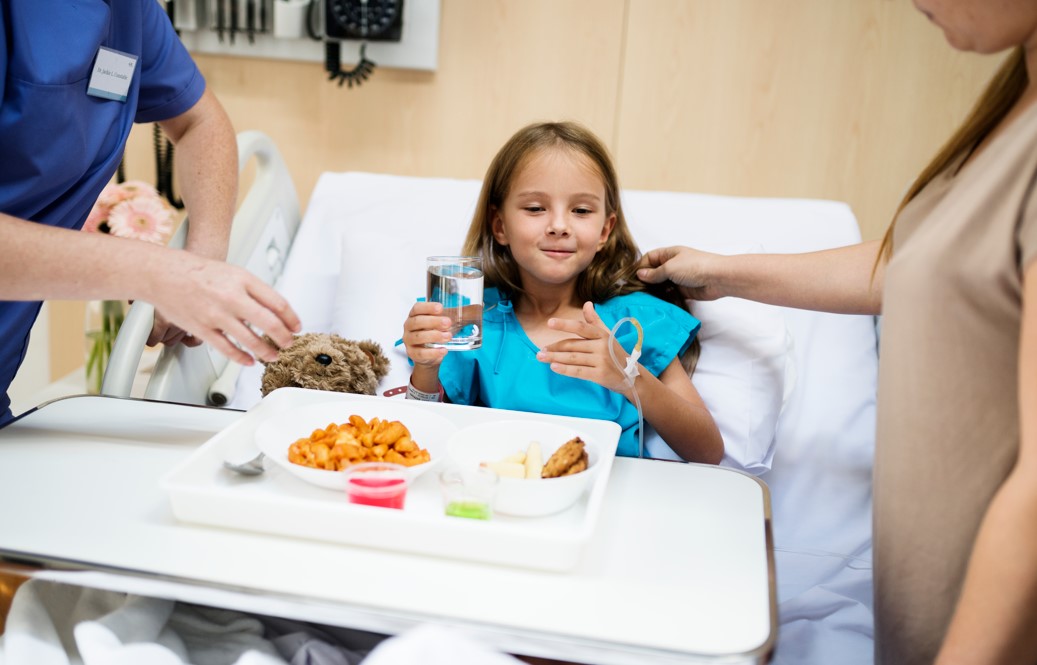
Travelling for medical treatment can be emotionally and physically demanding, especially for families who need to spend several days or weeks away from home. Between hospital appointments, visiting hours, and caring for loved ones, maintaining healthy eating habits can easily become a challenge.
Many families rely on takeaway meals, hospital cafeterias, or convenience foods because they have limited time and access to cooking facilities. However, eating nutritious meals does not have to be complicated or expensive.
With thoughtful planning, simple recipes, and suitable accommodation, families can maintain balanced diets while managing the demands of medical travel. Here are some practical meal planning tips to make hospital stays healthier, easier, and more affordable.
1. Plan Simple Meals Before Your Hospital Visit
Preparing a basic meal plan before travelling can save time, money, and unnecessary stress.
Start by identifying easy-to-prepare meals that require minimal ingredients and cooking equipment. Consider options such as oatmeal, sandwiches, vegetable soups, pasta, salads, and rice dishes.
Planning meals for three to five days can help reduce frequent supermarket visits and prevent food waste.
Families should also consider their daily hospital schedules when preparing meals. For example, breakfasts can be prepared the night before, while lunches can be packed for convenient eating between appointments.
Keeping meals simple allows caregivers to focus on supporting their loved ones without spending too much time cooking.
2. Choose Accommodation With Kitchen Facilities
Having access to a kitchen can make a significant difference when staying away from home for medical reasons.
Families exploring hospital stays accommodation in Melbourne should consider furnished apartments or serviced accommodation with cooking facilities, refrigerators, microwaves, and basic kitchen equipment.
Unlike conventional hotel rooms, self-contained apartments often allow guests to prepare their own meals, store groceries, and maintain familiar eating routines.
This can be especially helpful for families staying near hospitals for extended periods.
Before booking, check whether the accommodation provides essential kitchen items such as pots, pans, utensils, plates, and food storage containers.
Having these facilities available can reduce reliance on expensive takeaway meals while making everyday living more comfortable.
3. Prepare Nutritious Breakfasts to Start the Day
Breakfast provides an opportunity to fuel the body before a busy day of hospital visits and appointments.
Choose meals containing a combination of whole grains, protein, fruit, and other nutritious ingredients.
Easy breakfast ideas include oatmeal topped with bananas, wholegrain toast with eggs, yoghurt with fresh berries, or smoothies made with milk and fruit.
For families with limited time, overnight oats or boiled eggs can be prepared in advance.
These convenient options require little preparation in the morning and can help maintain consistent eating habits during stressful periods.
4. Pack Healthy Snacks for Hospital Visits
Long hospital visits can make regular mealtimes difficult, particularly when appointments run longer than expected.
Packing nutritious snacks can help families avoid relying entirely on vending machines or convenience foods.
Practical options include fresh fruit, unsalted nuts, wholegrain crackers, yoghurt, cheese, and vegetable sticks.
For snacks requiring refrigeration, use an insulated lunch bag with an ice pack.
It is also important to check hospital policies regarding food and drinks, particularly in clinical areas where restrictions may apply.
Having snacks readily available can make long days more manageable for caregivers and visiting family members.
For families spending long hours at medical facilities, planning healthy meals during hospital visits can help maintain energy and support overall wellbeing. Australia's Healthdirect provides reliable guidance on balanced nutrition, healthy food choices, and maintaining good eating habits. Preparing nutritious meals and snacks in advance can also reduce reliance on takeaway food while helping families manage their daily expenses.
5. Save Money With Smart Grocery Shopping
Food expenses can quickly accumulate during extended medical stays.
Instead of purchasing individual meals every day, consider shopping for groceries at nearby supermarkets.
Create a shopping list based on your planned meals and prioritise versatile ingredients that can be used in several dishes.
For example, rice, eggs, vegetables, chicken, and pasta can be combined to prepare different meals throughout the week.
Buying appropriate quantities, comparing supermarket prices, and choosing seasonal produce can also help reduce costs.
Families should avoid purchasing excessive groceries if their accommodation stay is short or their departure date is uncertain.
6. Stay Hydrated Throughout the Day
Maintaining adequate hydration is important for general health and wellbeing.
Busy hospital schedules can sometimes cause caregivers and family members to forget to drink enough fluids.
Carrying a reusable water bottle can make hydration more convenient throughout the day.
Water is generally a practical choice, while milk and other suitable beverages can also contribute to daily fluid intake.
However, patients with medical conditions requiring fluid restrictions should follow their healthcare team's specific recommendations.
Families should also be mindful of excessive caffeine consumption, particularly when stress and disrupted sleep are already affecting their routines.
7. Consider Special Dietary Requirements
Patients recovering from surgery or receiving medical treatment may have specific nutritional needs.
Some individuals require high-protein meals, modified food textures, or diets that limit certain nutrients.
Before preparing meals for a patient, consult their healthcare team or dietitian to confirm which foods are appropriate.
Family members should avoid assuming that meals suitable for healthy adults are automatically suitable for someone recovering from illness.
Food allergies, swallowing difficulties, medication interactions, and medical dietary restrictions must also be considered.
Following professional dietary advice can help ensure that meal planning supports rather than interferes with treatment.
8. Use Batch Cooking to Save Time
Batch cooking is a convenient strategy for families staying near hospitals for several days or weeks.
Preparing larger portions of meals such as soups, casseroles, pasta sauces, or vegetable dishes can reduce daily cooking time.
Divide cooked meals into individual containers and refrigerate or freeze them promptly.
Refrigerated leftovers should generally be eaten within three to four days, while frozen portions can be stored longer when handled safely.
Always reheat leftovers thoroughly and follow appropriate food safety practices.
Batch cooking allows caregivers to enjoy home-prepared meals even when hospital schedules become unpredictable.
9. Maintain a Flexible and Balanced Eating Routine
Hospital appointments and visiting arrangements may change unexpectedly, making strict meal schedules difficult to maintain.
Rather than following a complicated meal plan, focus on flexibility and balance.
Keep easy meal options available for busy days and allow occasional takeaway meals when necessary.
Families can also share cooking responsibilities to reduce the workload on individual caregivers.
Eating together when possible can provide valuable opportunities for conversation, emotional support, and relaxation.
A practical meal routine should make medical travel easier, not create additional pressure.
Supporting Healthy Living During Hospital Stays
Maintaining healthy eating habits while staying near hospitals does not require complicated recipes or expensive ingredients.
With simple meal planning, affordable groceries, suitable cooking facilities, and flexible routines, families can enjoy nutritious meals throughout their medical journey.
At Hospital Stays, we understand the importance of comfort and convenience when travelling for healthcare. Our platform helps patients, caregivers, and families explore accommodation options near major hospitals across Australia, including self-contained properties that may offer kitchen and laundry facilities.
Choosing the right accommodation can make everyday activities such as preparing meals, resting, and spending time together much easier.
A little preparation can go a long way towards helping families stay nourished, comfortable, and focused on what matters most—supporting their loved ones during treatment and recovery.