02
Oct 2026
Post-Hospital Recovery: What to Do After You’re Discharged
Published in General on October 02, 2026

Leaving the hospital after surgery, illness, or medical treatment is an important milestone. However, being discharged does not always mean that recovery is complete. For many patients, the days and weeks following a hospital stay are just as important as the treatment itself.
Adjusting to life outside the hospital can involve managing medications, attending follow-up appointments, maintaining a healthy diet, and allowing the body sufficient time to heal. Whether recovering at home or staying near a medical facility, having a well-organised recovery plan can make the transition easier.
Understanding what to expect after discharge can help patients and caregivers feel more confident while reducing the risk of avoidable complications.
1. Understand Your Hospital Discharge Instructions
Before leaving the hospital, make sure you fully understand the discharge instructions provided by your healthcare team.
These instructions typically include medication schedules, wound care requirements, activity restrictions, dietary recommendations, and follow-up appointments.
Ask your doctor or nurse to explain anything that seems unclear. It can also be helpful to request written instructions that you or your caregiver can refer to throughout recovery.
Understanding warning signs that require medical attention is particularly important. Knowing when to contact your doctor or seek emergency care can help prevent minor concerns from developing into serious complications.
2. Arrange Comfortable Hospital Stays Accommodation
For patients who have travelled interstate or from regional communities for medical treatment, returning home immediately after discharge may not always be practical.
Choosing suitable hospital stays accommodation near the treating hospital can provide a convenient temporary place to recover while remaining close to follow-up medical services.
Serviced apartments and furnished accommodation may offer useful amenities such as comfortable bedding, private bathrooms, fully equipped kitchens, laundry facilities, and spacious living areas.
These features can help patients maintain familiar routines while providing caregivers with a comfortable environment to offer support.
When selecting accommodation, consider accessibility, lift access, transportation options, and proximity to pharmacies and medical facilities. Always confirm with your healthcare team that the accommodation is appropriate for your recovery needs, particularly if you require mobility assistance or ongoing nursing care.
3. Take Medications Exactly as Prescribed
Medication management is an essential part of post-hospital recovery. Patients may be prescribed pain relief, antibiotics, or other medications depending on their condition and treatment.
Before discharge, confirm which medications to continue, which to stop, and whether any dosages have changed.
Keeping an updated medication list can help prevent confusion, especially when several medicines are required throughout the day.
A pill organiser or medication reminder may be useful, provided it is appropriate for the medicines prescribed.
If you experience unexpected side effects or have concerns about your medication, contact your doctor or pharmacist rather than adjusting the dosage yourself.
4. Prioritise Rest and Quality Sleep
Recovery takes time, and adequate rest allows the body to focus on healing.
Following a hospital stay, patients may experience tiredness, reduced energy, or disrupted sleeping patterns. These symptoms can be common, although persistent or worsening fatigue should be discussed with a healthcare professional.
Create a quiet, comfortable sleeping environment and maintain a consistent sleep routine whenever possible.
Avoid returning to physically demanding activities before receiving medical clearance. Depending on your condition, gentle movement may be recommended to support circulation and prevent complications.
The goal is to balance appropriate activity with sufficient rest according to your healthcare team's advice.
5. Maintain a Healthy and Balanced Diet
Good nutrition plays an important role in supporting the body's recovery process.
A balanced diet containing protein, fruits, vegetables, whole grains, and appropriate fluids can help maintain energy and support tissue repair.
However, dietary requirements may differ depending on the patient's medical condition, surgery, or prescribed treatment.
Some individuals may require softer foods, restricted fluids, or specialised nutritional plans.
Follow any dietary instructions provided by your doctor or dietitian, and ask for guidance if you experience difficulty eating or drinking after discharge.
6. Attend All Follow-Up Medical Appointments
Follow-up appointments allow healthcare professionals to monitor recovery, assess treatment outcomes, and identify potential complications.
These visits may involve wound checks, blood tests, imaging, medication reviews, or rehabilitation assessments.
Keep a record of scheduled appointments and arrange transportation in advance, especially if you are temporarily unable to drive.
Patients staying near major hospitals may find it easier to attend regular consultations without undertaking lengthy journeys.
If you cannot attend an appointment, contact the healthcare provider to arrange an alternative rather than missing important medical reviews.
7. Prepare Your Living Space for a Safe Recovery
A safe and accessible environment can make everyday activities easier after leaving hospital.
Remove potential trip hazards, ensure frequently used items are within reach, and keep pathways clear.
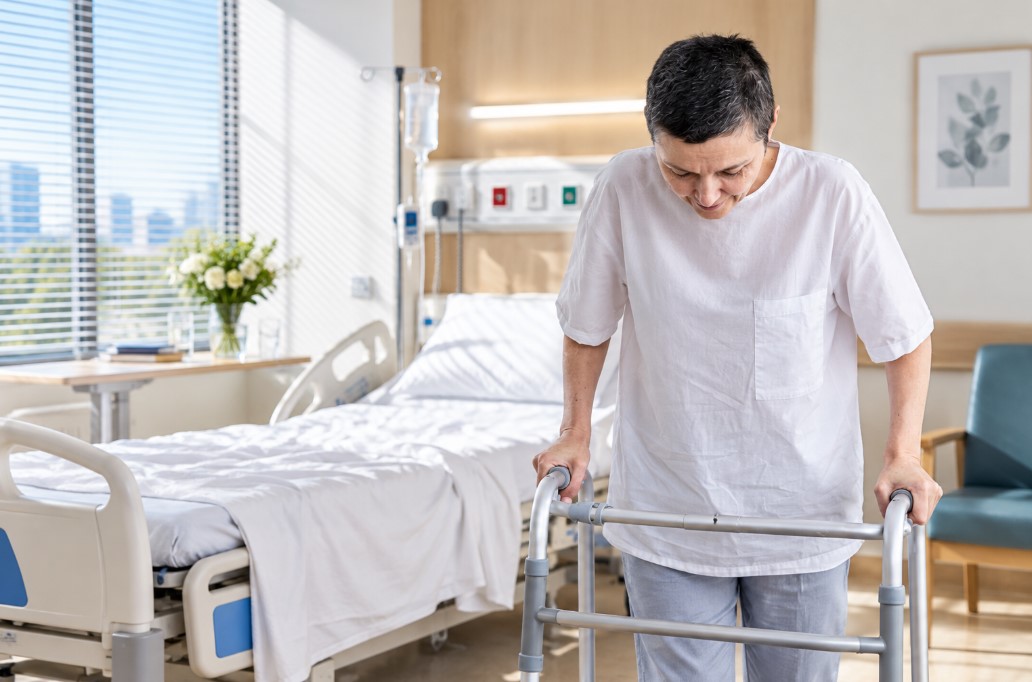
Patients with limited mobility may benefit from assistive equipment such as shower chairs, walking aids, or handrails, depending on professional recommendations.
If stairs are difficult to manage, consider accommodation with lift access or bedrooms located on the ground floor.
Caregivers should also understand any physical assistance the patient requires and seek professional guidance when necessary.
8. Recognise When to Seek Medical Assistance
Although some discomfort may be expected during recovery, certain symptoms should never be ignored.
Contact your healthcare team if you develop a fever, worsening pain, increasing wound redness, unusual swelling, or other symptoms identified in your discharge instructions.
Severe breathing difficulties, chest pain, sudden confusion, or signs of a stroke require immediate emergency assistance. In Australia, call Triple Zero (000).
Early recognition of complications can make a significant difference to patient safety and recovery outcomes.
9. Look After Your Emotional Wellbeing
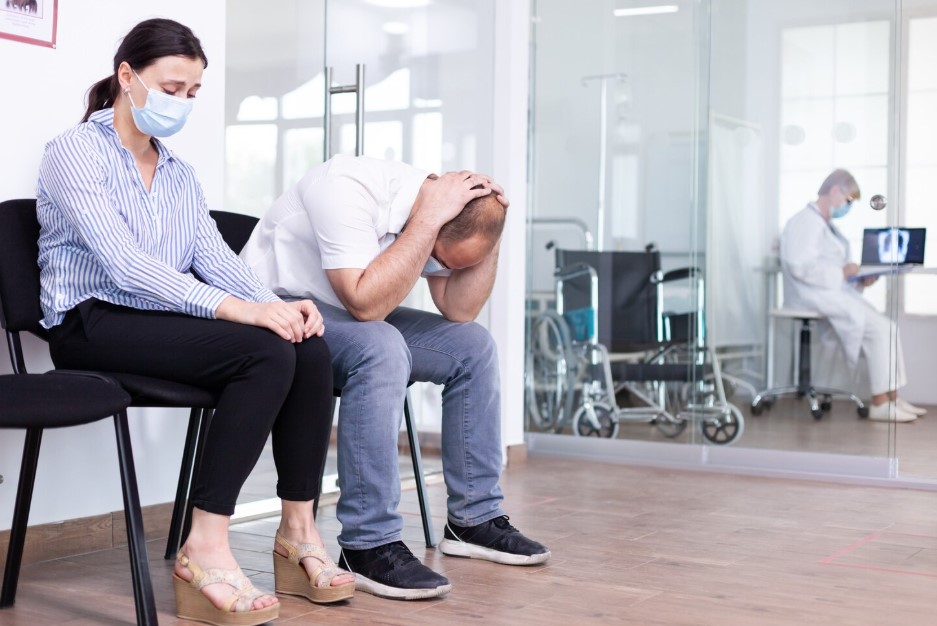
Recovery is not only physical. Some patients experience anxiety, frustration, loneliness, or emotional changes after leaving hospital.
Adjusting to temporary limitations or uncertainty about recovery can be challenging.
Stay connected with family and friends, communicate your needs, and allow yourself time to adjust.
Caregivers should also take regular breaks and seek support when needed.
If emotional difficulties persist or interfere with daily life, speak with a healthcare professional about appropriate support services.
A Comfortable Recovery Begins With the Right Support
Post-hospital recovery requires patience, preparation, and ongoing communication with healthcare professionals.
By following discharge instructions, managing medications, maintaining healthy routines, and attending medical appointments, patients can support a safer and more comfortable recovery.
For those who need to remain near their treating hospital, suitable temporary accommodation can provide additional convenience and peace of mind.
Recovery does not end when you leave the hospital. With the right care, environment, and support, you can take meaningful steps towards regaining your health, comfort, and independence.