22
Aug 2026
How to Stay Comfortable During a Long Hospital Stay
Published in Health Tips on August 22, 2026
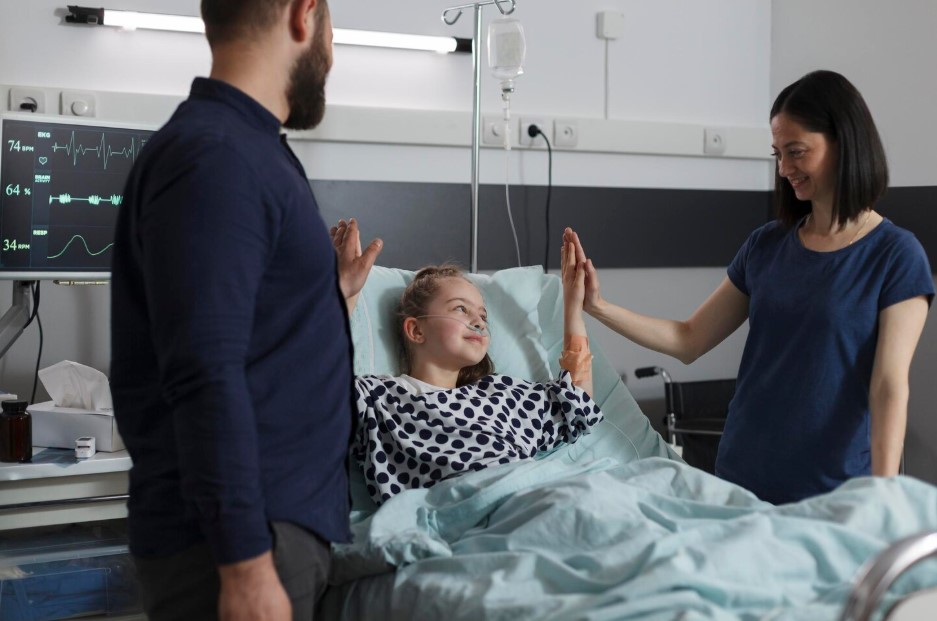
A long hospital stay can disrupt almost every part of daily life. Familiar routines are replaced by medical appointments, treatment schedules, unfamiliar surroundings and long periods away from home. Whether you are a patient or supporting a family member, finding practical ways to improve comfort can make an extended stay feel more manageable. From bringing familiar belongings to arranging suitable accommodation nearby, thoughtful preparation can help reduce some of the everyday pressures associated with a lengthy hospital admission.
Bring a Few Comforts From Home
Hospitals are designed primarily for medical care, so patient rooms naturally feel different from home. Bringing a small selection of familiar belongings can make the environment more personal and comfortable.
Consider packing comfortable clothing, non-slip footwear, a favourite blanket, photographs, books, headphones or a tablet. Personal toiletries can also make everyday routines feel more familiar, although patients should check hospital guidelines before bringing electrical equipment, food or other restricted items.
Avoid overpacking. Hospital rooms often have limited storage space, and keeping the area uncluttered makes it easier for staff to provide care.
Consider Accommodation Close to the Hospital
For relatives, carers or patients attending ongoing outpatient appointments, finding suitable hospital stays accommodation can make a significant difference. Staying close to the medical facility can reduce daily travel and provide a private place to rest, prepare meals and manage everyday responsibilities away from the clinical environment.
For longer periods, a furnished apartment can be particularly practical. Features such as a kitchen, laundry facilities, separate living areas and Wi-Fi can help guests maintain a more normal routine. Before booking, check the minimum stay requirements, transport options and approximate travel time to the hospital.
Create a Simple Daily Routine
Hospital schedules can be unpredictable, but maintaining a basic routine may help provide structure. Simple habits such as getting dressed when appropriate, eating meals at regular times, reading, making phone calls or spending time on a favourite activity can help break up the day.
Patients should always follow the advice of their healthcare team regarding movement and activity. When medically appropriate, even small changes of scenery—such as sitting in a designated lounge or taking an approved walk—can provide a welcome break from remaining in the same room.
Plan Ahead When Visiting Royal Melbourne Hospital
Patients receiving treatment at Royal Melbourne Hospital may have family members travelling from regional Victoria, interstate or overseas to provide support. When an admission, procedure or series of appointments is expected to continue for some time, organising practical arrangements early can reduce last-minute pressure.
Visitors should consider transport, parking, public transport connections, meal options and accommodation when planning their stay. Because hospital schedules can change, flexible arrangements may also be helpful. Always confirm current visiting requirements and patient information directly with the hospital before travelling.
Make Meals and Nutrition Easier
Hospital meals are generally organised according to patients' clinical and dietary requirements. If you have allergies, cultural dietary requirements or other concerns, discuss them with the relevant hospital staff.
Family members staying nearby may find access to a private kitchen particularly valuable during extended visits. Preparing simple meals can reduce reliance on takeaway food and allow carers to eat according to their usual schedule.
Keeping water nearby may also be useful where medically appropriate, but patients with fluid restrictions or other dietary requirements should follow instructions from their healthcare team.
Stay Connected With Family and Work
Long admissions can create a sense of separation from normal life. Video calls, messages and regular conversations with family and friends can help maintain important connections.
For people who need to continue working while supporting someone in hospital, reliable Wi-Fi and a quiet workspace can be useful. Setting realistic boundaries is equally important. Medical appointments and caring responsibilities can change unexpectedly, so communicating availability with colleagues can make work commitments easier to manage.
Choose a Comfortable Base for an Extended Medical Visit
When a family member requires ongoing care at Royal Melbourne Hospital, accommodation does not necessarily need to feel like a temporary hotel room. For stays lasting several weeks, a furnished apartment can provide additional space for resting, working and preparing meals between hospital visits.
Look for practical features rather than unnecessary extras. A comfortable bed, laundry facilities, equipped kitchen, heating and cooling, Wi-Fi and convenient transport connections can be particularly useful. If mobility is a consideration, check lift access, building entrances and the route between the accommodation and hospital before confirming a booking.
Prepare for Changing Circumstances
Medical timelines do not always proceed exactly as expected. Discharge dates can change, additional appointments may be required, or relatives may need to stay longer than originally planned.
Where possible, ask accommodation providers about extension policies before booking. Knowing whether a reservation can be extended can provide additional flexibility if treatment plans change.
It is also useful to keep essential documents, appointment information, medications and important contact details organised in one place. A simple folder—physical or digital—can prevent unnecessary searching during an already busy period.
Making a Long Stay More Manageable
Comfort during a long hospital stay is often created through small, practical decisions. Familiar belongings, regular communication, manageable routines and convenient accommodation can all help patients and families navigate an extended period of medical care.
For relatives who need to remain close to a loved one, appropriate hospital stays accommodation can provide a private place to recharge between visits while maintaining everyday routines such as cooking, laundry and work. Planning these practical details in advance can allow families to devote more of their time and attention to supporting the person receiving care.