02
Aug 2026
Measles Immunity Gaps Raise New Concerns for International Travellers
Published in News on August 02, 2026
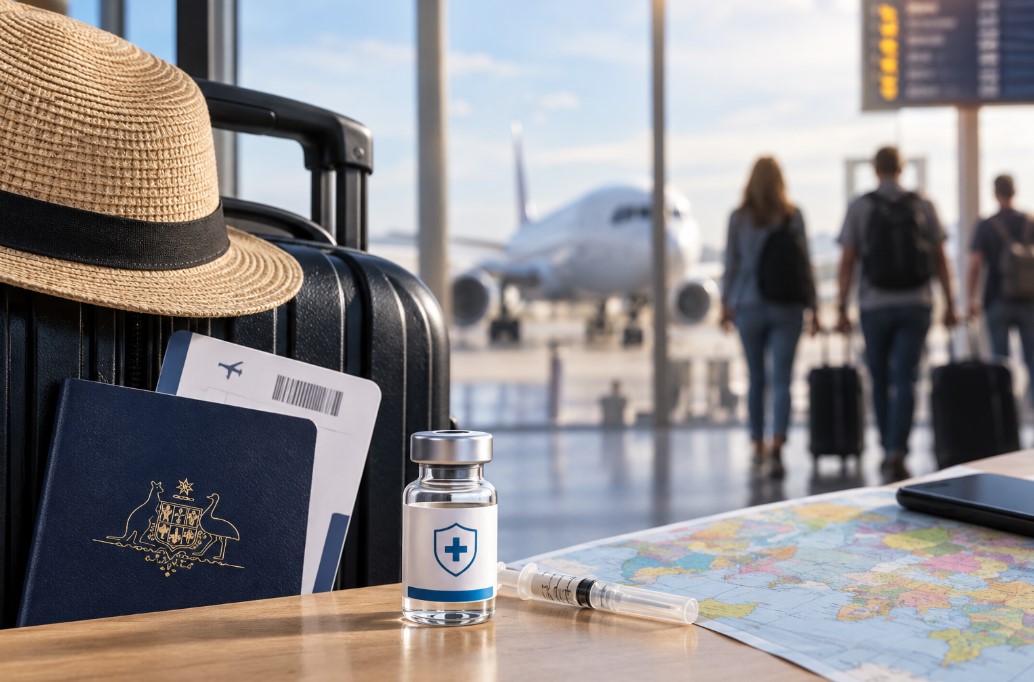
International travel has returned strongly, reconnecting Australians with destinations around the world. However, the movement of millions of people across borders also increases the opportunity for infectious diseases to travel with them. New Australian research is drawing attention to measles, with researchers warning that gaps in population immunity could increase the risk for Australians travelling overseas as well as international visitors arriving in the country.
Australia’s Measles Immunity Gap
Research led by the National Centre for Immunisation Research and Surveillance (NCIRS) estimates that approximately 1.7 million Australians, or 6.7% of the population, lacked sufficient immunity against measles in 2019. Overall population immunity was estimated at 93.3%, placing Australia at the lower end of the World Health Organization’s estimated 93–95% herd-protection threshold.
While Australia has maintained measles elimination status, this does not mean the virus has disappeared completely. Cases can still be introduced by people infected overseas. The highly contagious nature of measles means even relatively small immunity gaps can create opportunities for transmission when an imported case enters a community.
The Australian Centre for Disease Control says most measles infections reported in Australia are either acquired overseas or linked to someone who contracted the virus overseas.
International Travel Increases Exposure
The renewed concern comes as measles activity has increased internationally. Travellers can be exposed while visiting destinations experiencing outbreaks and may unknowingly bring the infection home.
This pattern has already been seen in Australia. NSW Health reported that between January 2025 and 7 March 2026, 60 measles cases were recorded in New South Wales. Of these, 34 were acquired overseas, including 32 associated with travel to Southeast Asia. Another 18 locally acquired cases were linked to known overseas-acquired infections.
For the travel industry, this reinforces the importance of including health preparation alongside passports, visas, travel insurance and accommodation arrangements. Travellers should consider discussing their vaccination history with a healthcare professional well before departure, particularly when visiting destinations where measles is circulating.
Younger Adults May Have Greater Immunity Gaps
One important finding from the NCIRS research relates to differences between generations. Susceptibility was particularly notable among some younger age groups, and people aged 15–35 accounted for half of reported Australian measles cases between 2008 and 2022.
Australian guidance recommends that people born during or since 1966 who travel overseas have documented evidence of two doses of a measles-containing vaccine or evidence of immunity. Two doses provide protection for approximately 99% of people.
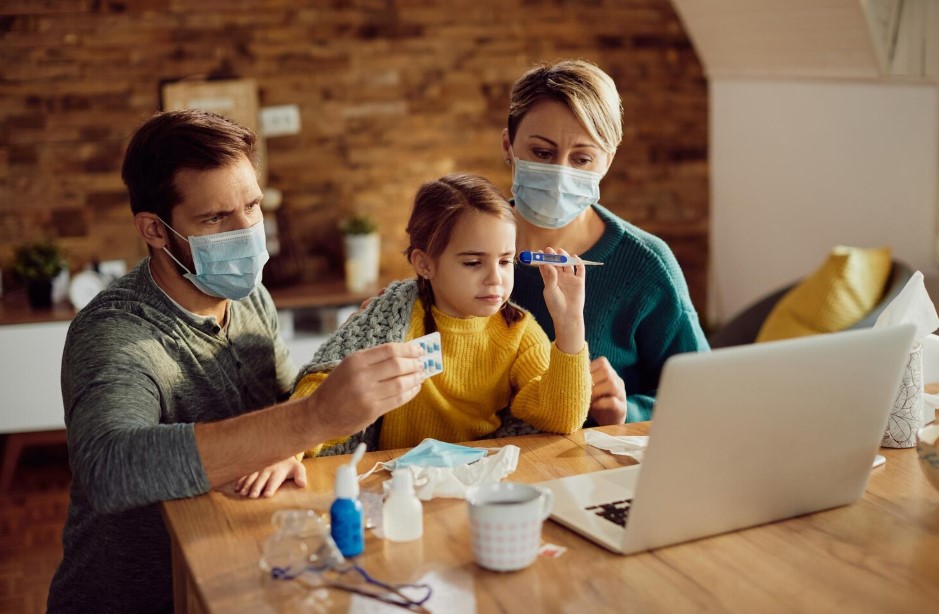
Parents travelling internationally with young children also need to consider measles protection as part of their preparations. Current Australian advice includes additional considerations for infants travelling overseas, and families should seek personalised guidance from their healthcare professional before departure.
The Connection Between Travel and Healthcare
The consequences of infectious disease during or after travel can extend beyond disrupted itineraries. A traveller who becomes seriously unwell may require medical assessment, isolation or hospital treatment, creating additional challenges for accompanying family members.
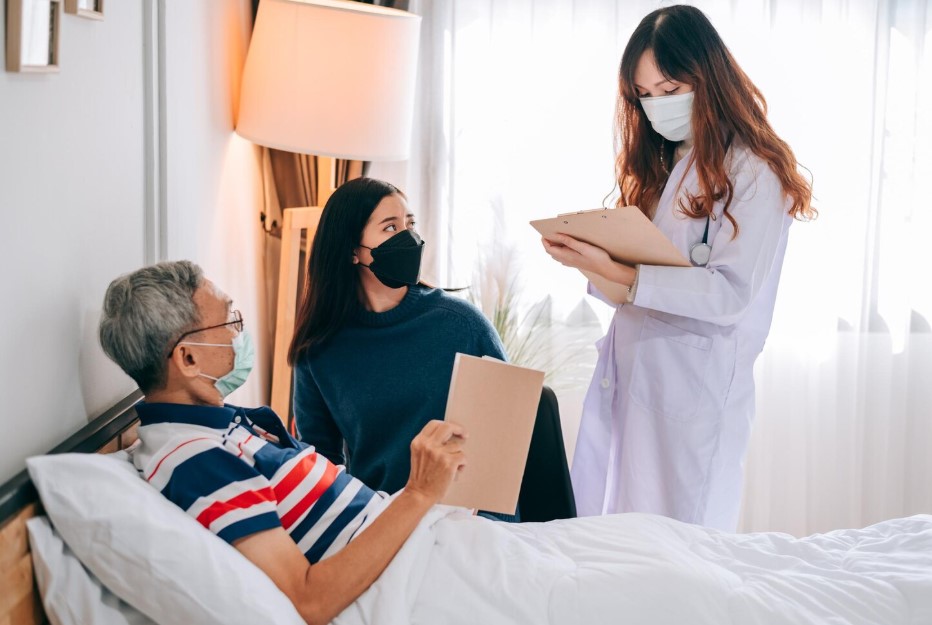
For families supporting someone undergoing treatment away from home, access to suitable hospital stay accommodation for patients and their accompanying relatives can become an important practical consideration. Comfortable longer-term accommodation close to healthcare services may help families maintain routines while attending appointments, supporting recovery or remaining near a loved one receiving treatment.
This is particularly relevant when unexpected illness occurs during travel. Travellers should therefore consider not only insurance and emergency healthcare access but also what arrangements may be necessary if their stay needs to be unexpectedly extended.
Protecting Vulnerable Communities
Measles is one of the world’s most contagious infectious diseases. The Australian Centre for Disease Control estimates that up to nine out of ten non-immune people exposed to an infectious case may become infected. Certain groups, including young children, pregnant people and people with weakened immune systems, can face a greater risk of severe illness.
Maintaining strong community immunity therefore provides protection beyond the individual traveller. High vaccination coverage helps reduce opportunities for imported cases to spread to people who cannot be vaccinated or who may not develop strong immunity.
Making Health Part of Travel Planning
The latest research provides a timely reminder that international travel preparation should extend beyond flights, hotels and itineraries. Health planning deserves a place on the pre-departure checklist.
Australian health authorities recommend travellers check their measles immunity and vaccination status before heading overseas. The Australian Centre for Disease Control advises discussing travel and vaccination with a healthcare professional at least six weeks before departure where possible.
Australia has successfully maintained measles elimination for years, but increasing global transmission and gaps in immunity demonstrate that this achievement requires continued vigilance. As international travel continues to grow, awareness, vaccination and early preparation can help protect travellers, their families and the wider community.
For travellers, the message is straightforward: before packing the suitcase, it may be worth checking the vaccination record too.