26
Aug 2026
The Power of Music Therapy: Supporting Wellbeing, Connection and Recovery
Published in General on August 26, 2026
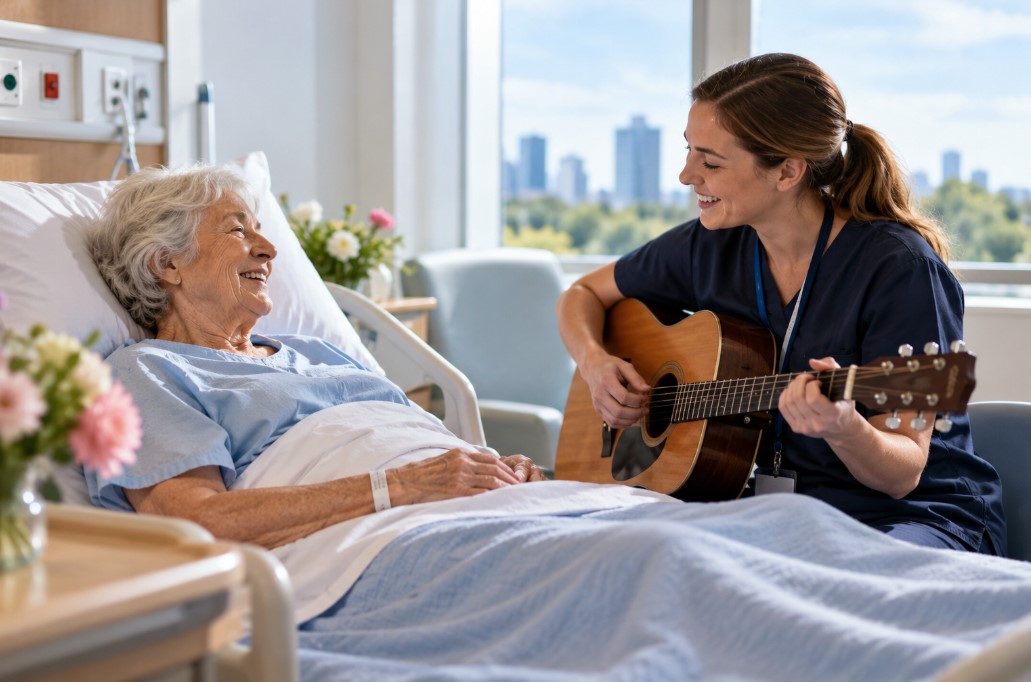
Music has a remarkable ability to connect people with memories, emotions and one another. Beyond entertainment, music can also be used therapeutically to support health and wellbeing. Music therapy is a research-based allied health profession in which trained therapists use musical experiences to work toward individual therapeutic goals. Sessions can involve listening, singing, playing instruments, songwriting, rhythm and other activities tailored to a person's needs.
More Than Simply Listening to Music
Music therapy differs from putting on a favourite playlist for relaxation. Registered music therapists use music intentionally as part of a structured therapeutic approach. No previous musical ability is required, and sessions can be conducted individually or in groups.
Australian Seniors News highlights how familiar music can be particularly meaningful for people living with dementia. Music can provide opportunities for emotional expression, communication, cognitive engagement and social connection, including for people who find verbal communication increasingly difficult.
The benefits can also extend to the hospital environment. For patients spending days or weeks receiving treatment, music may provide a welcome point of connection with life outside the clinical setting.
Music and Memory
One reason music can be particularly meaningful in dementia care is its close association with memory and emotion. Familiar melodies can provide cues that encourage recollection, participation and interaction.
The Australian Seniors News article describes a person living with Alzheimer's disease who became calmer and more communicative after listening to familiar music and subsequently began playing his harmonica. While an individual story should not be interpreted as proof that everyone will respond in the same way, it illustrates how personally meaningful music may help create opportunities for engagement.
Music as Part of the Hospital Experience
Patients receiving treatment at Epworth Hospital may encounter a healthcare environment that extends beyond medical procedures alone. Epworth provides a range of rehabilitation and allied health services across its hospitals, with inpatient and outpatient programs depending on individual needs.
Music can complement this broader focus on patient experience. Epworth's volunteer program includes opportunities for professional musicians to perform in hospital wards, with the aim of providing easy listening and enhancing the experience of patients and visitors. Music should not be viewed as a substitute for medical treatment, but appropriately delivered musical experiences can form part of a more supportive environment.
Supporting Emotional Wellbeing During Treatment
Hospital stays can involve long periods of waiting, uncertainty and separation from normal routines. For some patients, music offers a familiar and accessible activity during these periods.
A favourite song might provide relaxation, while singing or playing an instrument can encourage active participation. Structured music therapy can have more specific therapeutic objectives. At the Royal Melbourne Hospital, for example, its Music Therapy service uses evidence-based practices designed to promote relaxation, reduce stress and relieve discomfort, while music is also used to support functional recovery in areas such as speech and movement.
The type of intervention that is appropriate will depend on the patient's circumstances and clinical needs.
Supporting Family Members and Carers
The hospital experience also affects relatives and carers. Families may spend considerable time travelling to appointments, waiting through procedures and visiting loved ones during recovery.
When treatment continues for weeks or months, having somewhere comfortable to return to at the end of the day can become an important practical consideration. A hospital accommodation guide can help families compare options according to distance from the hospital, transport connections, kitchen and laundry facilities, accessibility, parking, Wi-Fi and length-of-stay requirements.
For longer medical visits, a furnished apartment can provide additional living space and facilities that may not be available in a conventional hotel room. This can be particularly useful for carers who need to prepare their own meals, work remotely or maintain a routine while remaining close to the person receiving treatment.
Planning a Longer Stay Near Epworth
Families supporting someone receiving extended treatment at Epworth Hospital should first identify the specific Epworth location involved, as Epworth operates hospitals and healthcare services at multiple locations across Melbourne and Geelong. This is important when choosing accommodation, as convenience will depend heavily on the individual hospital and the transport available nearby.
Before confirming a longer stay, consider the expected treatment schedule, travel time to the hospital, public transport, parking and whether the accommodation can be extended if medical plans change. Epworth advises patients and visitors to consult the relevant hospital's location information for current visiting hours, amenities and parking details.
Creating Moments of Normality
Extended medical treatment can make everyday life feel dominated by appointments and clinical routines. Small familiar experiences can therefore become particularly meaningful.
Listening to a favourite album, talking about songs associated with important memories or participating in professionally guided music therapy can create moments that feel less clinical and more personal. For families, these experiences can also provide opportunities to connect with their loved one without every conversation focusing on illness or treatment.
Music therapy is not about promising a cure. Its value lies in using music purposefully to support therapeutic goals and create opportunities for expression, engagement and connection. The Australian Seniors News article captures this idea particularly well: familiar music can sometimes provide a pathway to memories and communication when words are difficult to access.
Combined with thoughtful practical planning—from comfortable surroundings to suitable nearby accommodation—these supportive measures can help make an extended healthcare journey more manageable for patients, carers and families.